Manufacturer Of High Quality Data Cable

Manufacturer Of High Quality Data Cable
Certifications and standards for data cables in medical equipment include ISO 13485 for quality management and FDA rules for safety and how well things work. IEC/UL 60601 looks at electrical safety. It needs strong testing for flammability and insulation. Following the rules keeps patients safe and makes devices work well. Not following the rules can make devices break or cause safety problems. Regulatory agencies need companies to follow these certifications and standards to keep medical devices high-quality.
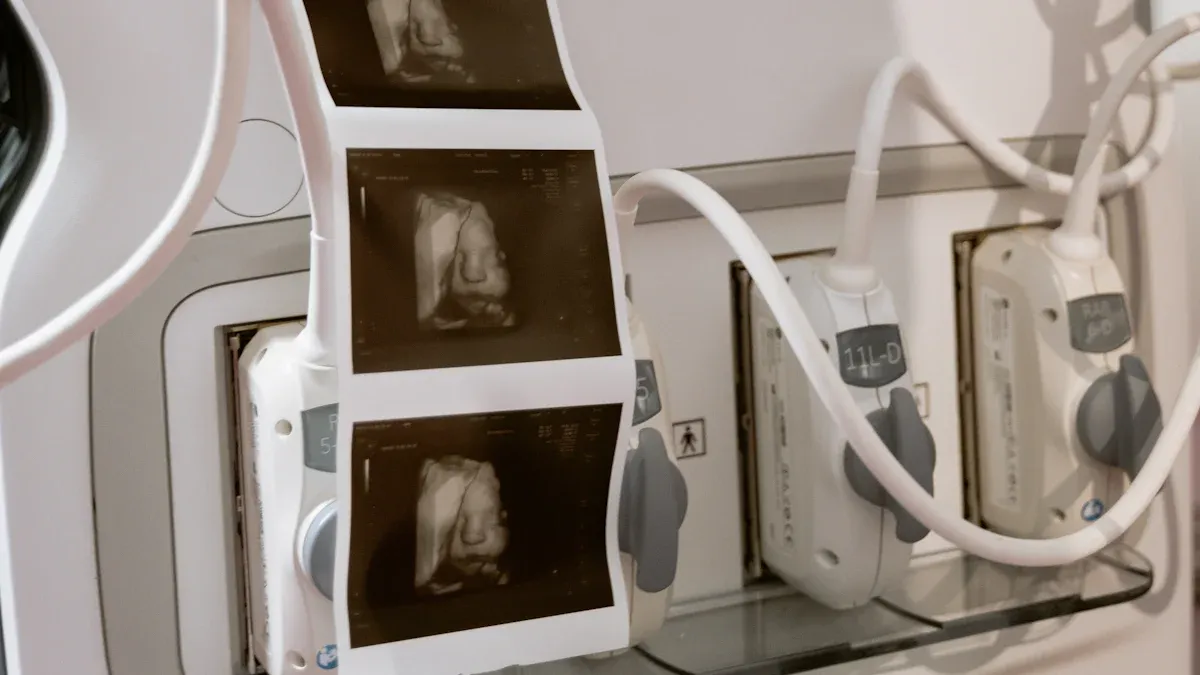
ISO 13485 helps keep medical devices safe. Companies should use this standard to make products safer and better.
IEC 60601-1 is about electrical safety. Following this standard stops fires and electrical problems in medical cables.
RoHS limits bad substances in cables. Using RoHS keeps people and nature safe from harmful chemicals.
FDA 21 CFR 820 needs a strong quality system. Makers must use this to make sure products work well and are safe.
Regular checks and audits are important. Makers and buyers should check certifications to keep safety high.
Medical data cables need to follow strict rules. These rules help keep patients safe. They also make sure devices work well in hospitals and clinics everywhere. The next parts talk about the most important certifications and standards for these cables.
ISO 13485 is a rule for making medical devices. Most companies use this rule to keep their products good. E-BI is a top company. It follows ISO 13485 almost all the time. This shows that many companies use this rule.
Requirement | Description |
Repeatable processes | Checks overmolding, soldering, and connectors to lower mistakes. |
Documentation and traceability | Follows each cable from start to finish. |
Risk assessments | Finds problems before cables are used. |
Compliance with quality standards | Makes sure cables can handle cleaning and lots of use. |
These rules help companies make safe and strong cables. This lowers risks and makes cables work better.
IEC 60601-1 is a big rule for electrical safety. Countries like the US, EU, and Asia need this rule. The third version of IEC 60601-1 is used in most places. It matches the EU’s EN 60601 rules.
IEC 60601 checks safety and how well medical equipment works.
IEC 60601-1 makes sure cables are safe from fire and electricity.
Companies must follow IEC 60601-1 to sell their products.
UL is important in North America. UL and UL 544 show that cables are safe and work well. People trust cables with UL certification. This makes more people want to buy them.
Evidence | Description |
UL Certification Impact | Makes it easier to sell cables by showing they are safe. |
Trust and Reliability | Helps people trust the cables, so more people buy them. |
Companies also need to follow FDA and IEC rules to sell their cables.
RoHS stops bad chemicals from being used in cables. This keeps people and the earth safe from harm.
Lead
Mercury
Cadmium
Hexavalent chromium
Polybrominated biphenyls (PBB)
Polybrominated diphenyl ethers (PBDE)
Bis(2-Ethylhexyl) phthalate (DEHP)
Benzyl butyl phthalate (BBP)
Dibutyl phthalate (DBP)
Diisobutyl phthalate (DIBP)
Companies must follow RoHS to sell cables around the world.
FDA 21 CFR 820 is a rule for medical devices in the US. It says companies need a good system to check quality. They must also control how they design products.
Requirement Type | Description |
Quality Management System (QMS) | Makes sure products are safe and ready for checks. |
Quality Policy | Says what the company wants for quality. |
Organization Structure | Shows who does what in the company. |
Design Controls | Sets rules for planning, making, and checking products. |
Document Control | Makes sure papers are approved and managed. |
Personnel Requirements | Workers must have the right training and skills. |
The FDA checks companies every two years. They check risky devices more often. Following FDA 21 CFR 820 is needed to sell products and keep them safe.
Cables sold in the EU and US need CE Mark and FCC approval. These rules make sure products are safe and do not cause signal problems.
Aspect | CE Mark Requirements | FCC Certification Requirements |
Scope | Covers many products, including medical cables | Only for electronic goods in the U.S. |
EMC Testing | Checks both signals sent out and signals received | Checks only signals sent out |
Product Safety Testing | Needed for EU rules | Not checked by FCC |
Companies need to know the differences between CE Mark and FCC to follow the rules.
AAMI EC53 and IEC 60512 are special rules for some medical cables. AAMI EC53 is for ECG cables and leadwires. IEC 60512 checks how well cables work in medical devices.
Companies must follow these rules to make safe and strong cables. Following AAMI EC53 and IEC 60512 helps get approval and keeps patients safe.
Following rules for medical data cables is very important. It keeps people safe and helps devices work well. Companies that follow these rules help protect patients and make sure devices are reliable.
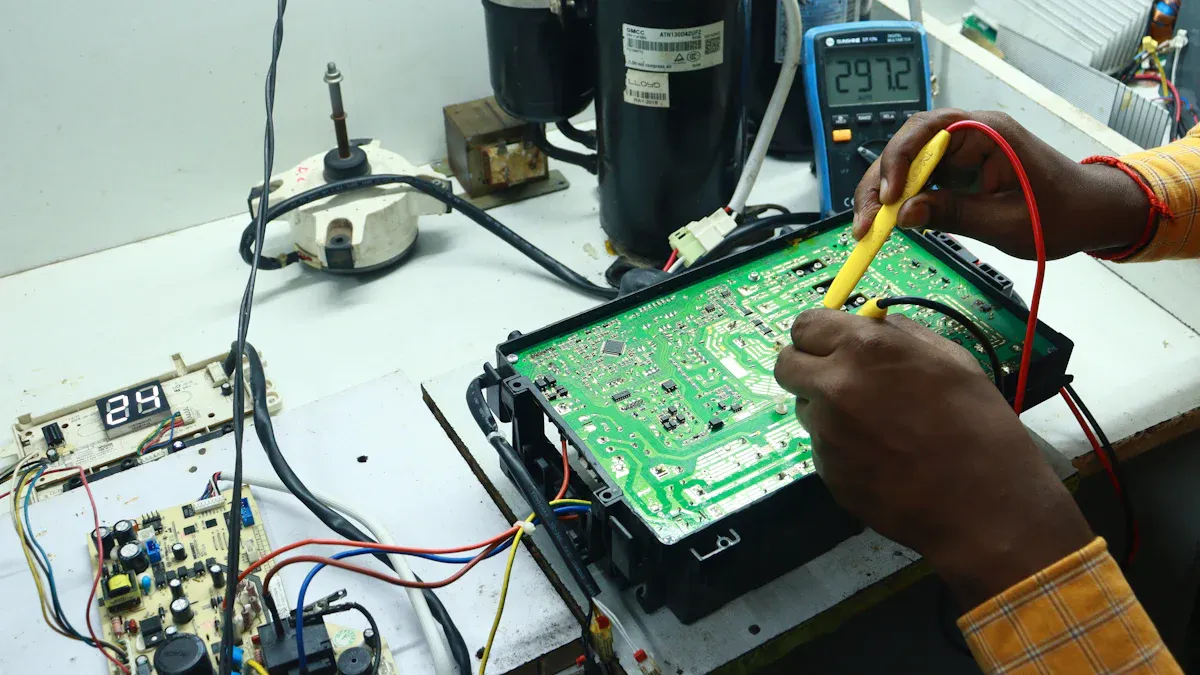
Certifications and standards help make medical data cables. They set rules for quality, safety, and the environment. Each standard looks at a different part of the cable’s life. This starts from design and goes to use in hospitals. The table below shows how these rules affect medical USB cables:
Certification / Standard | What it Means for Medical USB Cables |
ISO 13485 | Makes sure every step is checked and tracked. This keeps medical quality high. |
RoHS & REACH | Stops bad chemicals from being used. This keeps patients and the earth safe. |
UL 94 / IEC 60601-1 | Makes sure cables do not catch fire and are safe for people. This is very important in hospitals. |
ISO 10993 | Checks if cable materials are safe to touch skin. This helps keep patients safe. |
These rules help companies make cables that doctors and nurses can trust.
Certifications and standards change how engineers make medical data cables. They need strong checks and special features to keep devices safe. The table below lists common design changes:
Design Change Aspect | Description |
Quality Control Processes | ISO 13485 needs written steps to check quality. This helps make safe cables. |
EMC Compliance | Stronger EMC rules stop cables from messing with other medical tools. |
Engineers use these rules to pick safe materials. They also test cables to make sure they are strong and safe.
Medical data cables often touch patients or are close to them. Companies must test cables so they do not hurt people. ISO 10993 gives the rules for these tests. For example, ISO 10993-5 checks if cable parts hurt cells. ISO 10993-10 looks for skin problems or allergies. Other tests check for bad effects on the body and chemical safety.
ISO Standard | Description |
ISO 10993-1 | Looks at risks and tests cables for safety. |
ISO 10993-3 | Checks for gene, cancer, and baby risks. |
ISO 10993-5 | Tests if cables hurt cells. |
ISO 10993-10 | Tests for skin problems and allergies. |
ISO 10993-11 | Checks for bad effects on the whole body. |
ISO 10993-18 | Looks at what chemicals are in the cables. |
ISO 10993-5: Tests if cable parts hurt cells or stop them from growing.
ISO 10993-10: Checks if cables cause skin problems or allergies.
ISO 10993-11: Looks for bad effects on the whole body.
Medical data cables must pass these tests to keep patients safe and make sure they last a long time.
Rules for medical data cables are always changing. Regulators now want tougher tests for biocompatibility and electromagnetic compatibility. Makers must write down every step in making a cable. New rules want better tracking and clear records. For example, the EU Medical Device Regulation (MDR) asks for more paperwork and checks after products are sold. The FDA also changed its rules for cybersecurity in medical devices. This means data cable designs must change too. These new rules help keep patients safe and make devices work better.
Note: If companies do not follow new rules, they may not be able to sell their products. They can also get in trouble with regulators.
Different places have their own rules for medical data cables. The European Union uses MDR and RoHS. The United States uses FDA 21 CFR 820 and UL rules. Asian countries like Japan and China use JIS T0601 and GB 9706.1. Each place checks for safety, the environment, and signal problems.
Region | Main Standards | Key Focus Areas |
EU | MDR, RoHS, CE Mark | Safety, chemicals, EMC |
US | FDA 21 CFR 820, UL | Quality, safety, traceability |
Asia | JIS T0601, GB 9706.1 | Local safety, EMC |
Makers need to know these rules to sell cables everywhere.
The medical field now wants cables that move data faster and block signals better. Hospitals use more smart devices, so rules for cybersecurity and wireless signals are stricter. The Association for the Advancement of Medical Instrumentation (AAMI) changed EC53 to add new strength tests. IEC 60601-1 now has tougher rules for insulation and fire safety. These changes help cables work safely with new medical tools.
Tip: Makers should check for new rules every year. This helps them keep their products safe and up to date.
Manufacturers help keep medical data cables safe and strong. They must follow important steps to meet all rules.
Check main suppliers every year to make sure they follow testing rules.
Make sure everyone knows how the cable will be used in medical devices.
Use simple risk checks to stop safety problems after making the cables.
Think about what users need, so cables are easy to use in hospitals.
Make contractors answer for quality and safety by checking them often.
Tip: When manufacturers do these steps, hospitals and clinics trust them more. This also helps stop product recalls.
Buyers and healthcare workers must check if cables meet all rules before buying.
Medical cable rules keep patients safe and help devices work well.
Following rules lowers risks and keeps safety strong.
Buying from certified makers means the products can be trusted.
To check if a cable is certified, buyers can:
Look online to see licenses and warnings.
Use special software to make checking easier.
Hire groups called Credentialing Verification Organizations (CVOs) to help.
Note: Always ask to see proof of certification before buying cables for medical use.
Manufacturers have many problems when trying to follow all the rules. The table below shows common problems and ways to fix them:
Compliance Challenge | Description |
Regulatory Compliance | Makers must watch strict rules and new changes. |
Data Security | Keeping private data safe is very important. |
Cybersecurity Vulnerabilities | Devices must block cyber attacks to protect patients. |
Quality Management Systems | Good systems help meet rules and keep products safe. |
To fix these problems, manufacturers can:
Make a team that shows everyone how to follow rules.
Use computers to make reports and paperwork easier.
Study early to find rule problems before making cables.
Let workers report problems in simple ways.
Make clear rules for fixing mistakes and what happens if rules are broken.
A strong rule-following culture helps makers keep up with new rules and keeps medical data cables safe for all.
Certifications and standards help keep medical data cables safe. They also make sure cables work well and can get approved. Makers and buyers need to check cables often. This helps them follow new rules and changes. The table below shows how checking cables and using certified ones helps hospitals.
Audit Scenario | Frequency Description |
Scheduled Audits | Checks happen every year or two years |
Risk-Based Frequency | High-risk suppliers get checked more |
Regulatory Changes | Audits happen after new rules come out |
Benefit | Description |
Improved Patient Safety | Good cables help keep patients safe |
Traceability | Batch codes help find and fix problems |
Makers and buyers should pick certified cables and check them often. This helps keep patients safe and makes devices work better.
Medical data cables must have certifications like ISO 13485, IEC 60601-1, UL, RoHS, and FDA 21 CFR 820. These certifications prove the cables are safe, good quality, and follow environmental rules.
Buyers can ask the maker for certificates. They can also look at the product labels or go to official certification websites. Credentialing Verification Organizations can help check if the cable follows the rules.
RoHS stops bad chemicals from being in medical cables. This helps keep people and nature safe. Makers must follow RoHS to sell cables in many places.
If a cable does not meet the rules, regulators might not let it be sold. Hospitals could put patients at risk or have devices that do not work. Makers might have to recall products or face legal trouble.


Copyright © 2025 Guangdong Jiumutong Communication Technology Co., Ltd All Rights Reserved
Designed by 


