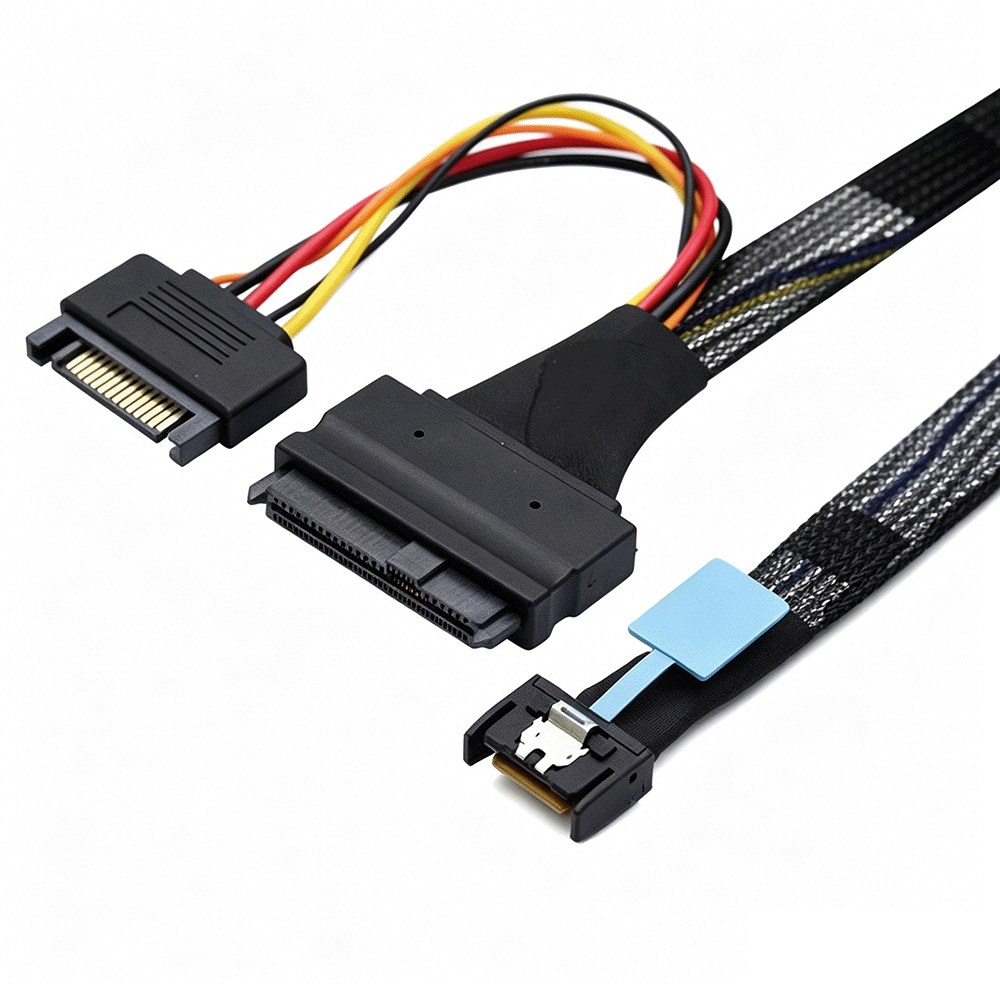
Manufacturer Of High Quality Data Cable

Manufacturer Of High Quality Data Cable
High-speed cables are essential components in modern connectivity systems, designed to support fast and stable data transmission across various applications. This article explains what high-speed cables are, how they function, and why they are critical in today’s data-driven environments. It also explores their key benefits, including improved transmission speed, reduced signal loss, and enhanced reliability, as well as their common uses in data centers, networking systems, industrial equipment, and consumer electronics.
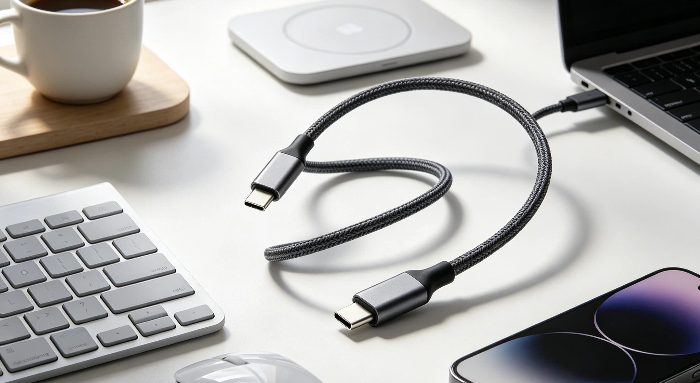
A high-speed cable is a type of data transmission cable designed to carry large amounts of information at high bandwidth with minimal signal loss. Compared with standard cables, it supports faster data rates, more stable performance, and better resistance to interference, making it essential for modern digital systems.
These cables are engineered with improved conductor materials, shielding structures, and impedance control to ensure clean and reliable signal transmission. As devices continue to demand higher resolutions, faster refresh rates, and real-time data exchange, high-speed cables have become a core component in connectivity solutions.
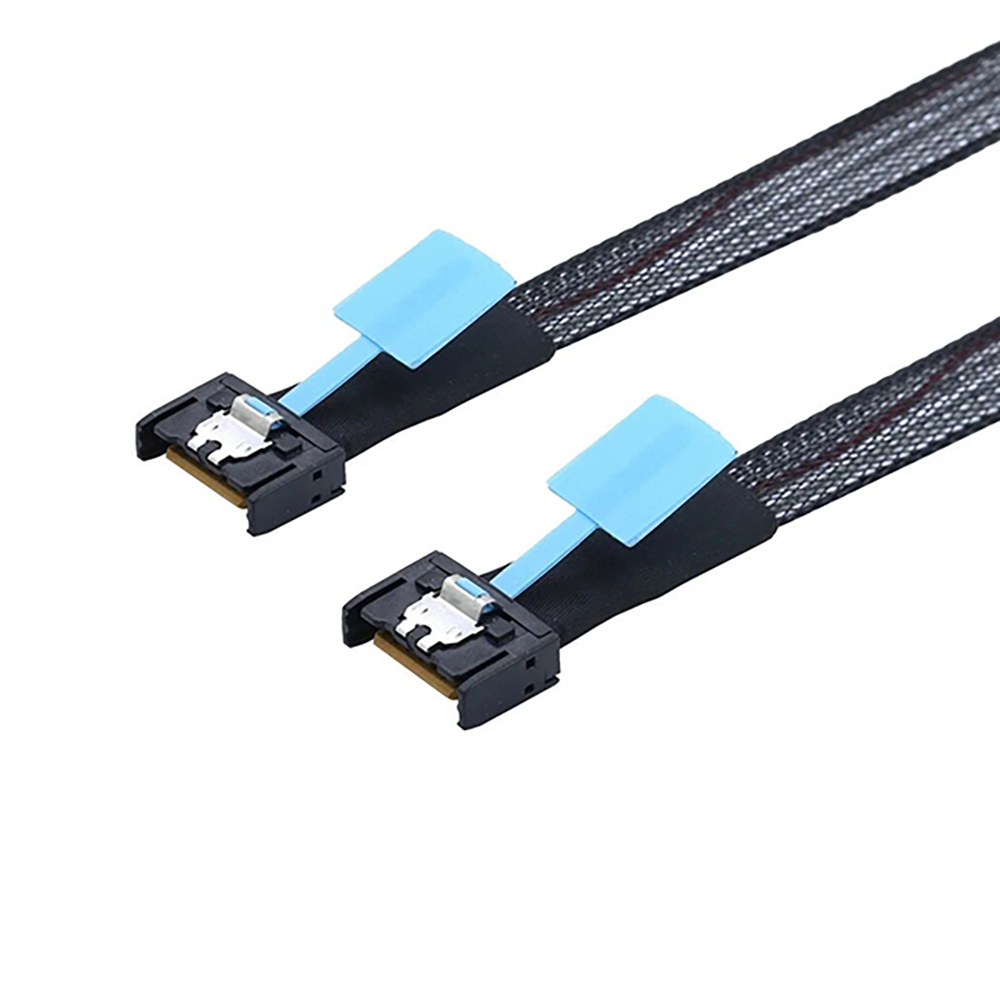
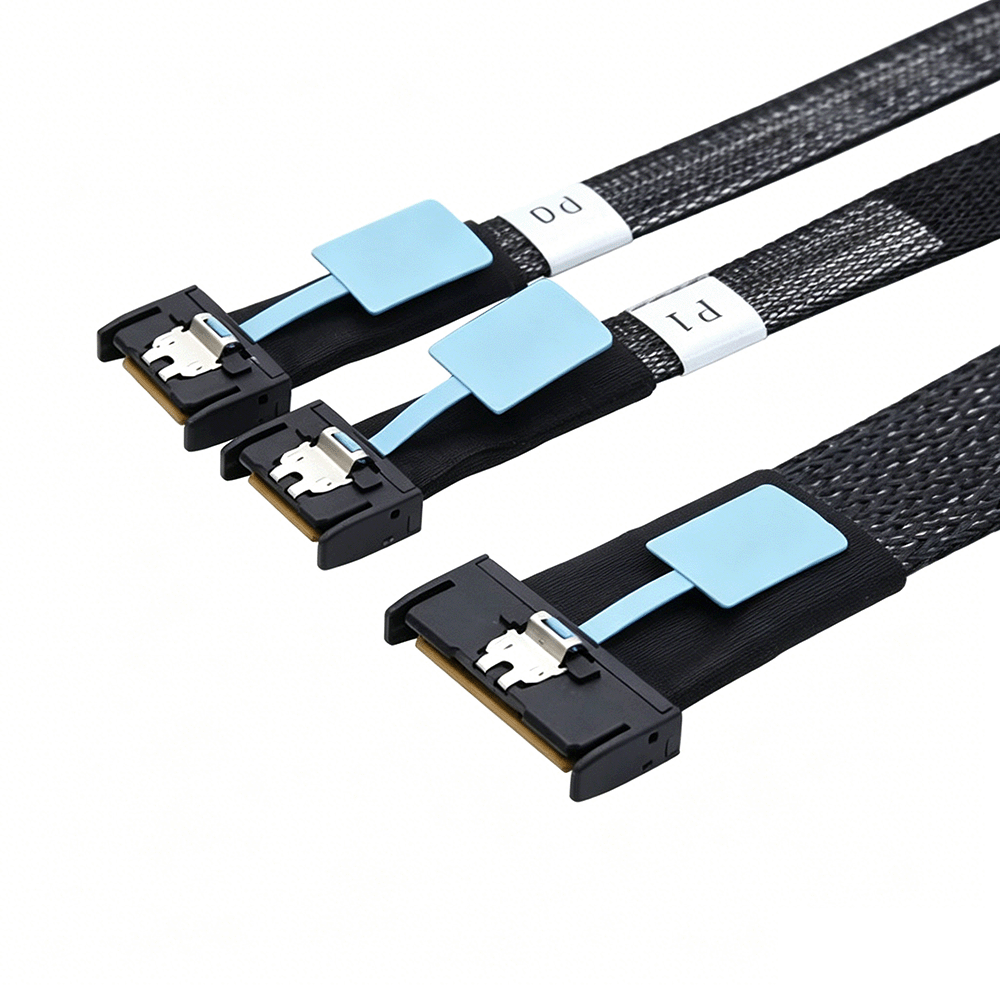
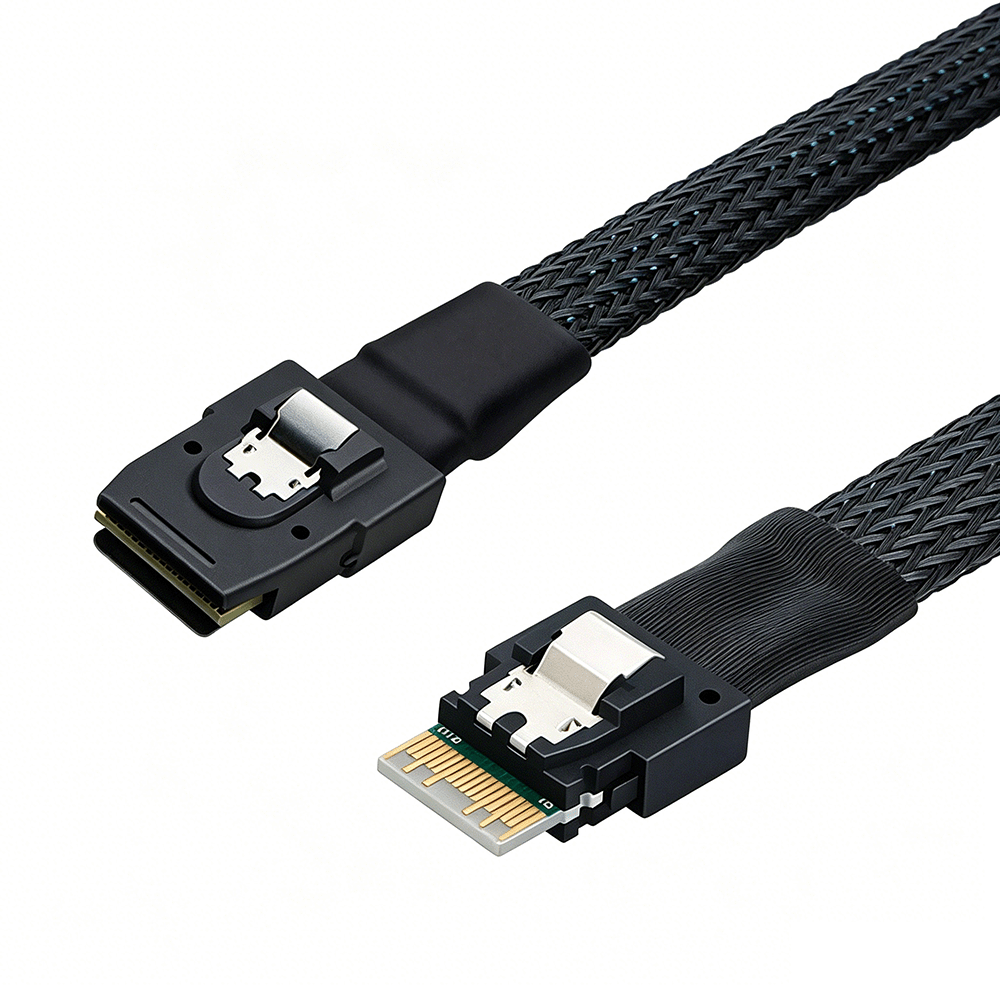
In practical use, high-speed cables are widely applied in areas such as 4K/8K video transmission, high-performance computing, gaming systems, industrial automation, and data centers. Common examples include high-speed HDMI cables, USB 3.x/USB4 cables, and high-speed Ethernet cables.
High-speed cables work by transmitting data as fast electrical signals (or optical signals in some cases). These signals represent digital 0s and 1s and move at very high frequencies to support large data transmission.
To keep the signal stable, the cable uses controlled conductor design and impedance matching, which helps prevent signal reflection and data errors. This ensures the information arrives accurately at the receiving end.
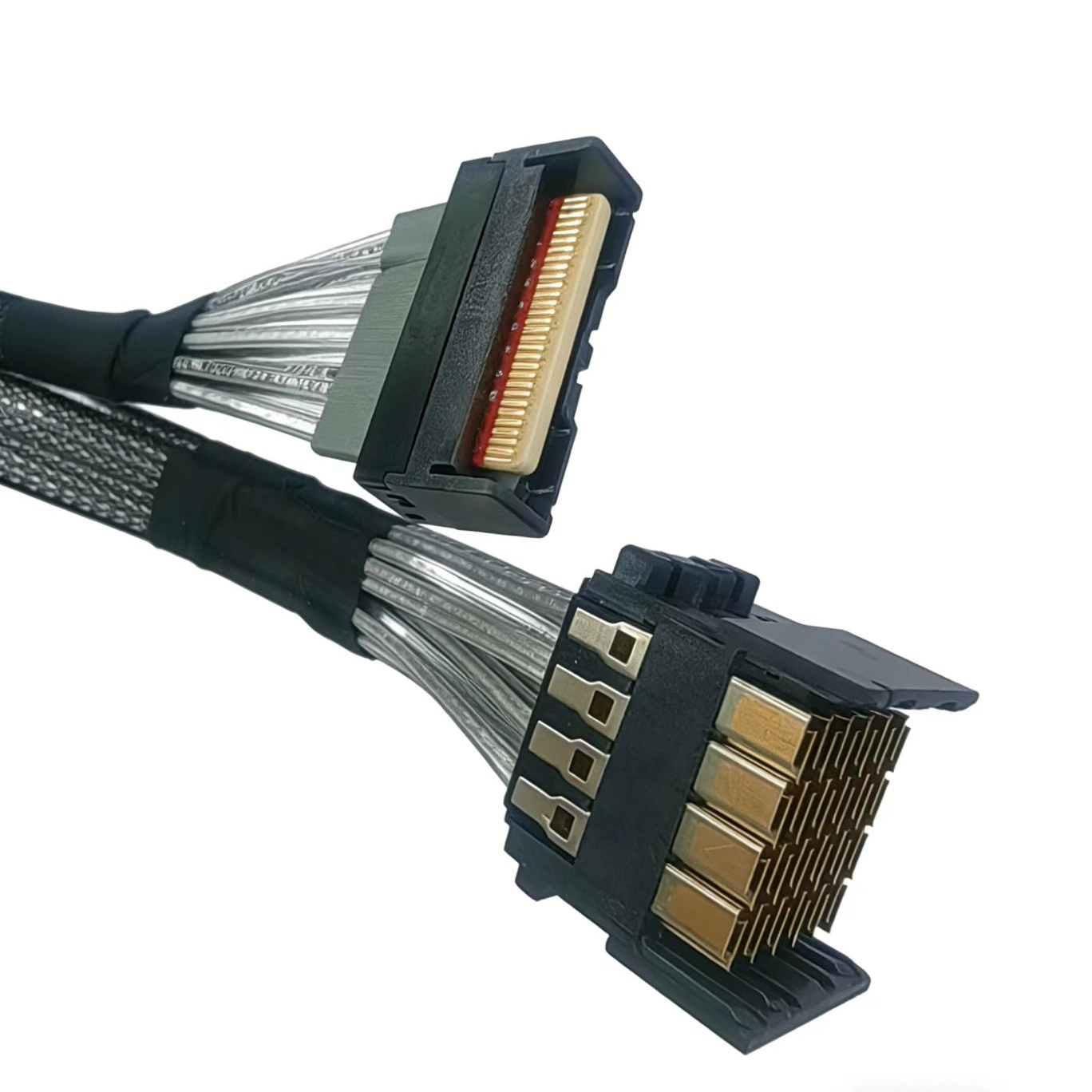
They also use shielding layers to block electromagnetic interference (EMI) from nearby devices. This keeps the signal clean, especially in high-noise environments like industrial systems or data centers.
In short, high-speed cables work by maintaining fast, stable, and low-loss signal transmission from one device to another.
High-speed cables provide significantly faster data transmission compared with standard cables, making them essential for modern digital systems that require large and continuous data flow. They support high bandwidth, which allows smooth handling of 4K/8K video, large file transfers, and real-time communication without delay.
Another major benefit is stable signal quality. Thanks to advanced shielding and precise conductor design, high-speed cables reduce signal loss and minimize errors during transmission. This ensures consistent performance even when data is transmitted over longer distances.
They also offer strong resistance to electromagnetic interference (EMI). In environments such as factories, data centers, or offices with multiple electronic devices, this protection helps maintain a clean and reliable signal.
In addition, high-speed cables improve overall system efficiency. By reducing latency and improving transmission accuracy, they help devices perform better in applications like gaming, industrial automation, networking, and high-performance computing.
Overall, high-speed cables combine speed, stability, and reliability, making them a key component in today’s high-demand digital infrastructure.



Copyright © 2025 Guangdong Jiumutong Communication Technology Co., Ltd All Rights Reserved
Designed by