Fabrikant van hoogwaardige gegevenskabel

Fabrikant van hoogwaardige gegevenskabel
Evaluating an HDMI OEM supplier evaluation strategy requires balancing strict electrical standards with broad manufacturing capabilities to prevent costly field failures. Sourcing managers must look beyond superficial pricing and systematically audit conductor purities, shielding layers, factory certifications, and physical quality assurance protocols.
Establishing a structured procurement model early in the development cycle ensures high throughput, minimizes signal degradation, and protects long term brand equity across competitive global markets.
Technical parameters form the practical foundation of any procurement specification sheet. A minor compromise in raw material selection can lead to packet loss, electromagnetic interference, or complete signal dropouts in end-user applications.
Purchasers should verify conductor purity, insulation density, and shielding geometry before moving to volume production.
HDMI Standard | Maximale bandbreedte | Max Supported Specs | Typical OEM Applications |
HDMI 1.4 | 10.2 Gbps | 4K at 30Hz | Basic signage, older office setups |
HDMI 2.0 | 18.0 Gbps | 4K at 60Hz | Standard displays, commercial AV |
HDMI 2.1 | 48.0 Gbps | 8K at 60Hz, 4K at 120Hz | Gaming setups, high end displays |
HDMI 2.2 | 96.0 Gbps | 16K capabilities | Next generation industrial imaging |
Selecting the right conductor matrix directly dictates long term transmission stability. High performance builds utilize Oxygen Free Copper or Bare Copper conductors rather than cheap Copper Clad Steel alternatives.
Furthermore, maintaining proper American Wire Gauge values according to total run distance guarantees low attenuation. Shielding architecture should feature a triple layer configuration combining individual aluminum foil wraps, an overall braid shield, and dedicated drain wire layout to block external noise.
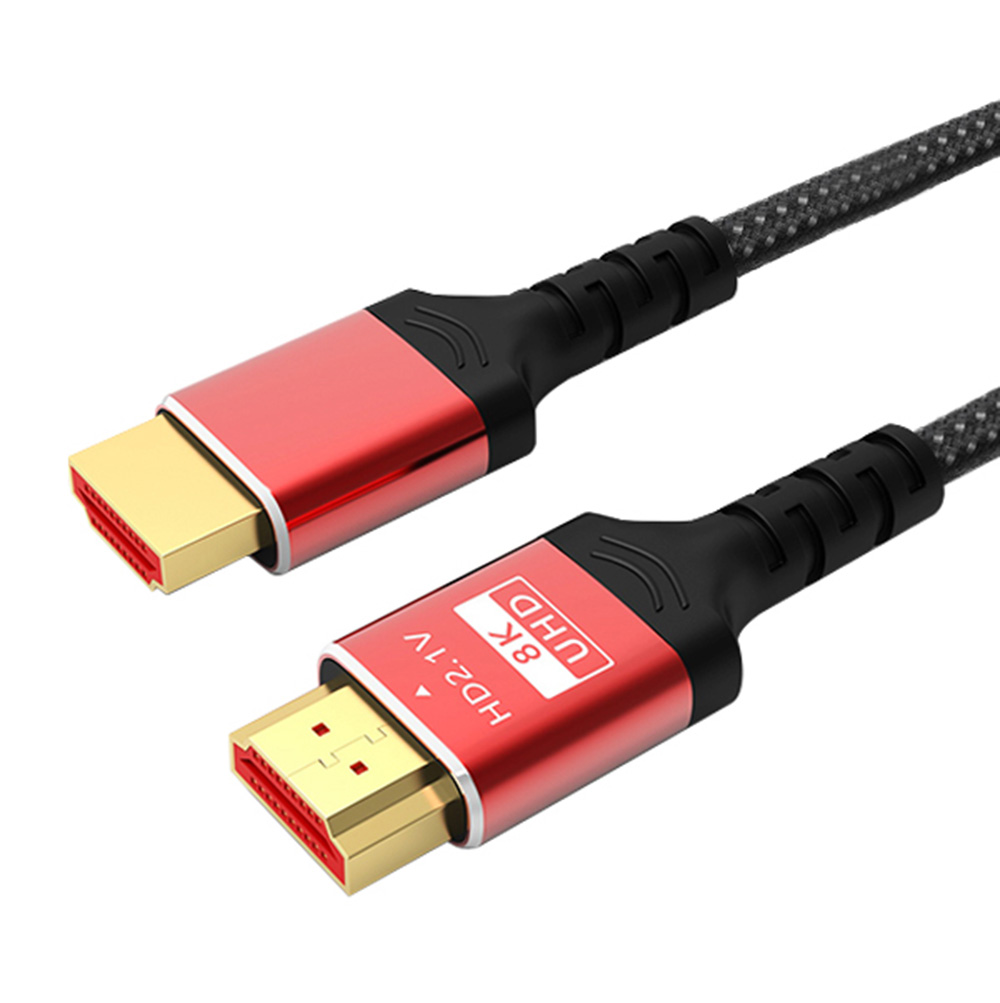
Matching specific bandwidth metrics to intended target applications eliminates over engineering while ensuring reliable operation. Sourcing versatile OEM HDMI -kabels allows product managers to serve basic display deployments efficiently. When building setups for high refresh rate gaming consoles or advanced digital signage, procuring fully certified HDMI 2.1 cable OEM builds guarantees 48Gbps throughput along with dynamic HDR support.
Conductor Purity: Premium Oxygen Free Copper delivers consistent low resistance pathways.
Shielding Coverage: Triple layer braid and foil structures suppress aggressive electromagnetic noise.
Mechanical Build: Robust connector housings withstand thousands of mating cycles under heavy continuous daily use.
Building on bandwidth selection, signal attenuation increases dramatically over extended copper runs, making distance a critical design factor. Passive copper assemblies generally function reliably up to five meters for high speed data loads.
For longer spans across specialized venues, switching to a flexible fiber optic HDMI cable ensures reliable signal delivery up to one hundred meters
Having defined the requisite technical specifications, evaluating the physical manufacturing capacity of potential production partners becomes the next logical step.
A supplier might provide pristine prototype samples yet struggle to maintain batch consistency across high volume production runs. Auditing plant machinery, testing facilities, and quality certifications reveals actual operational maturity.
Evaluating factory scale requires analyzing total floor space, staff expertise, and automated assembly machinery. High capacity facilities with dozens of specialized production lines maintain stable throughput and reliable delivery timelines during seasonal demand spikes.This physical foundation ensures your supply chain remains resilient even during sudden market shifts.
Advanced testing infrastructure distinguishes high tier factories from basic assembly shops. In house laboratories equipped with Time Domain Reflectometry devices, eye diagram analyzers, and automated bending testers ensure every production batch meets strict signal performance rules.
Facilities possessing accredited laboratory credentials alongside quality management systems maintain strict inspection steps from incoming raw materials to final shipment checks.
Building upon rigorous lab protocols, future proofing current procurement strategies requires early visibility into evolving high bandwidth technology. Partnering with suppliers capable of engineering advanced HDMI 2.2-kabel designs supporting up to 96Gbps bandwidth positions your product portfolio at the forefront of ultra high definition display standards.
Once factory infrastructure passes initial audits, procurement teams must focus on preventing subtle material degradation during volume runs. Unscrupulous suppliers sometimes attempt to lower production costs by modifying internal specifications after sample approval. Understanding these hidden shortcuts protects buyers from unexpected field returns and brand damage.
Material substitution represents one of the most common cost reduction tricks in cable manufacturing. A vendor may supply pure copper samples for approval, then quietly switch to copper clad aluminum or lower density braiding for the main production lot.
This practice increases electrical resistance, degrades shielding performance, and leads to severe signal dropouts in high noise environments.
To prevent these post approval discrepancies, implementing rigorous quality control safeguards effectively counters unexpected factory changes. Establishing an official Golden Sample protocol locks physical material builds, pinout mappings, and structural tolerances into the master contract.
Applying strict Acceptance Quality Limit standards for pre shipment inspections prevents compromised batches from reaching end customers.
With risk mitigation protocols in place, implementing a structured scorecard system provides a standardized method for rating prospective supply chain partners.
A multi tiered evaluation framework converts subjective observations into objective metrics, simplifying final decision making across cross functional procurement teams.
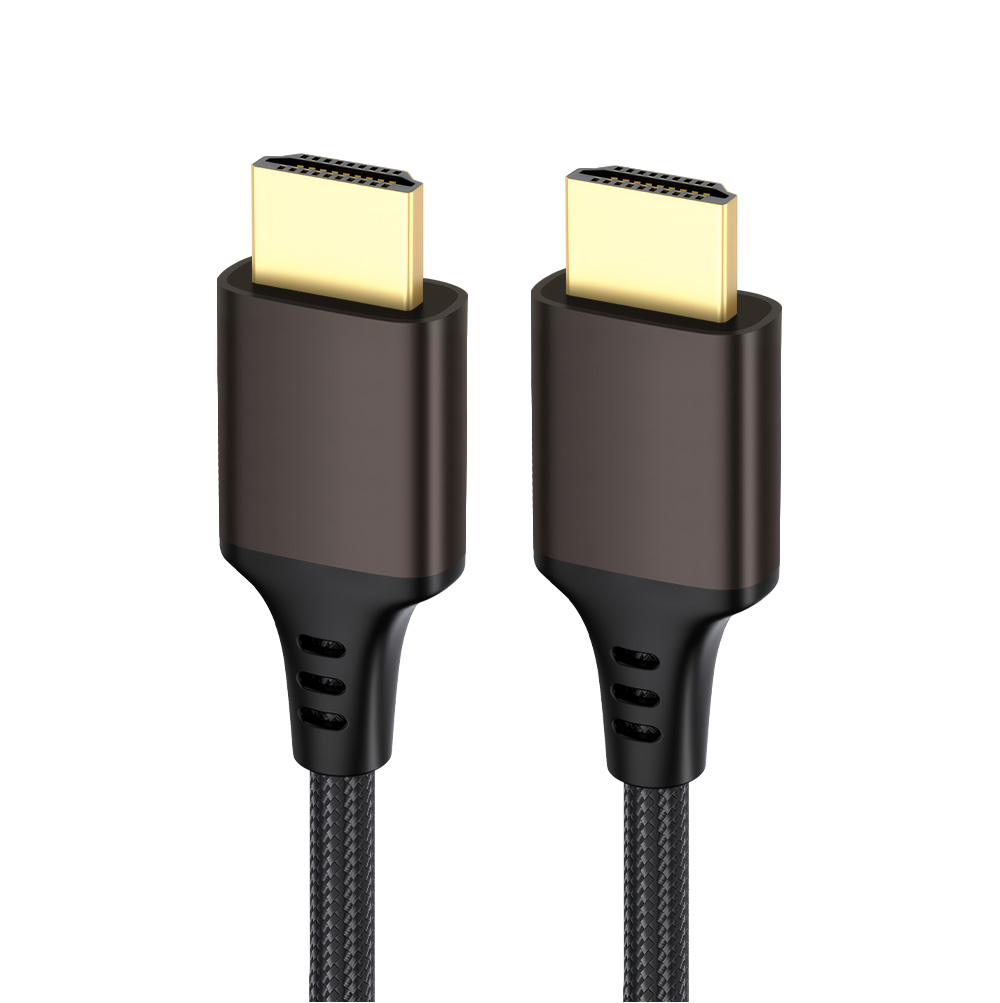
Verifying official industry associations and regulatory licensing forms the initial assessment phase. Checking official licensing administrator databases helps buyers confirm official adopter status, intellectual property portfolios, and international compliance history.
Suppliers holding extensive patent portfolios demonstrate genuine original engineering depth rather than simple contract assembly.
Following initial compliance checks, the second phase assesses custom tooling options, private label packaging capabilities, and prototype turnaround agility. Finally, running controlled pilot batches validates actual yield rates, shipping schedules, and communication efficiency under real commercial conditions before signing multi year supply agreements.
Unit pricing depends heavily on internal conductor materials, shielding density, custom connector tooling requirements, and external jacket choices like braided nylon or special rated materials. Order volumes and specific compliance testing needs also impact final costs.
For accurate pricing based on your specific custom cabling requirements, contact our engineering team directly to receive a comprehensive quote.
A frequent mistake involves selecting copper clad steel conductors to lower costs on longer cable runs, which leads to excessive signal attenuation and packet loss. Buyers should specify pure oxygen free copper for passive runs or transition to active optical architectures for extended distances to preserve signal integrity.
Designing and fabricating custom connector housings or specialized overmolds typically requires three to five weeks, including initial tool production and sample validation runs. Standardized housing modifications using existing factory tooling usually take significantly less lead time.
Successfully navigating high volume cable procurement requires aligning precise technical specifications with comprehensive vendor evaluation frameworks. By auditing conductor quality, testing infrastructure, factory automation, and licensing credentials, procurement teams minimize operational risks and ensure consistent product quality across global distribution networks.
Establishing a dependable supply chain partnership safeguards product reliability and enhances long term market competitiveness.Contact our technical team today to discuss your customized OEM cabling requirements and review certified manufacturing solutions.



Copyright © 2026 Guangdong Jiumutong Communication Technology Co., Ltd All Rights Reserved
Ontworpen door


