Kiváló minőségű adatkábel gyártója
Kiváló minőségű adatkábel gyártója
Selecting a cable supplier is not finished when a sample passes inspection. Before committing to larger orders, buyers need to understand how the supplier manages quality during actual production.
An on site audit helps buyers evaluate whether documented procedures are applied consistently on the production floor.
This checklist focuses on the records, processes, testing capabilities, compliance controls, and corrective actions that buyers should verify before approving a cable factory.
Start by reviewing the factory's quality management system and certification scope. Check whether the system covers the relevant manufacturing activities and whether quality responsibilities are clearly defined.
Buyers should also compare documented procedures with actual practices on the production floor. Work instructions, inspection procedures, and production records should follow the same requirements.
JMTJM states that its factory operates under ISO14001 and ISO9001 management systems. Buyers can use this type of certification as a starting point, but should still verify how the system is applied during actual production.
Do not treat management system certification as proof that every cable meets the required product standards.
Check the certifications that apply to the specific cable, market, and application. Confirm the certificate scope, validity, product model, and applicable requirements. Supporting test reports should also be available when required.
Ask the factory to prepare key quality documents before the audit. These may include inspection procedures, engineering drawings, production instructions, test records, nonconformance records, and calibration records.
Use these documents to compare the factory's documented controls with actual production practices.
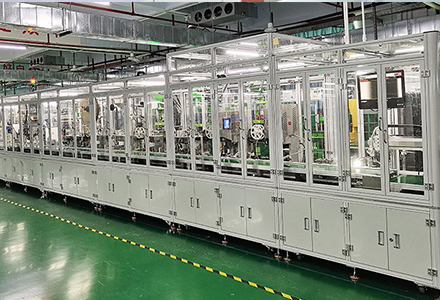
Select several recent production batches and ask the factory to trace them from raw materials through finished products.
The records should connect material information, production batches, inspection results, and final test results. During the audit, choose an actual batch rather than reviewing only sample forms.
Ask the quality team to demonstrate how they would trace the batch if a quality issue were reported after shipment. This helps buyers determine whether the traceability system works in practice and whether key production information can be retrieved when needed.
Review calibration records for equipment used in critical measurements. Check the equipment identification, calibration status, calibration date, and applicable procedure.
During the factory visit, compare the records with the equipment on the production floor and in the laboratory.
Ask how the factory controls expired, damaged, or failed equipment to prevent unreliable test results from being used for product acceptance.
Review recent incoming material, in process, and final inspection records. Check the inspection criteria, measured results, acceptance decisions, and responsible personnel.
Ask how inspectors handle results that fall outside the specified range and whether affected products are clearly identified and controlled.
Compare the approved sample, engineering drawing, production instructions, and inspection records. The specifications should remain consistent across these references.
Pay attention to dimensions, materials, cable construction, markings, connectors, and other buyer specified requirements.
Buyers should also check whether production personnel are working from the current engineering documents and whether the first production article is checked against the approved sample before regular production proceeds.
Check whether conductor processing follows the approved specification and work instructions. Review conductor size, material requirements, stranding parameters, and inspection points.
The main question is whether operators have clear process requirements and whether critical inspections are recorded.
Observe how the factory controls extrusion conditions. Check temperature settings, line speed, tooling, material identification, and inspection procedures.
Compare actual settings with production instructions and ask how operators handle process deviations.
For cabling operations, check construction, alignment, shielding, termination, and other product specific requirements.
Observe whether operators use standard work instructions and whether inspection points are clearly defined.
Check whether operators have access to current work instructions at their stations.
Also ask how the factory controls document revisions. Outdated instructions can create inconsistencies even when the quality system itself is properly documented.
Check whether the factory has the equipment and procedures required for physical testing. Review test methods, acceptance criteria, test conditions, and recent records.
If some tests are outsourced, confirm which tests are handled by external laboratories and review representative reports.
JMTJM states that its CNAS 01 laboratory can independently conduct physical and environmental tests in house. Buyers evaluating testing capability can review the company's CNAS laboratory and testing capabilities.
Check whether laboratory equipment is properly identified, maintained, and calibrated. Compare equipment labels with calibration records and verify calibration dates and status.
Ask how the factory controls expired, damaged, or failed equipment to prevent unreliable test results from being used for product acceptance.
Review test records from multiple production batches rather than relying on a single passing report.
Compare test results, product specifications, test conditions, and acceptance criteria across batches. Consistent records provide stronger evidence of testing capability and can help buyers identify recurring failures or unusual changes in production performance.
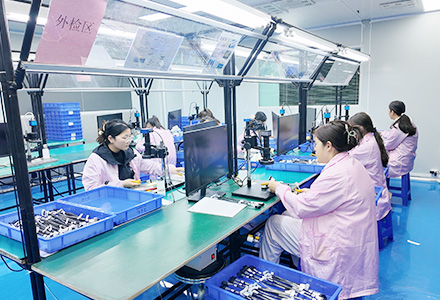
Identify the standards, certifications, and regulatory requirements that apply to the cable and target market.
Check whether the supplier can provide valid certificates, declarations, test reports, and product markings for the actual product being purchased.
JMTJM's website lists CE, RoHS, FCC, UL, CA65, REACH, and other certification requirements. Buyers should still verify that the specific certification applies to the product and target market being purchased.
Review first article inspection records from recent production orders. Check whether the factory verifies critical dimensions, electrical performance, appearance, and other agreed specifications before mass production.
JMTJM states that it checks the first product against the approved sample and inspects products on the production line. These practices provide useful points for buyers to discuss when evaluating first article control.
Compare the approved sample with the first production article to confirm that the production result matches the agreed requirements.
If the first article fails inspection, ask how the factory documents the issue, corrects the process, and verifies the result before continuing mass production.
This helps determine whether sample approval is connected to actual production control rather than treated as a one time inspection.
Review the production lines, equipment, operators, inspection resources, and production scheduling for the relevant cable products.
JMTJM states that it operates two production bases in China with 25 production lines, including 10 automated production lines. Its Service page also lists more than 1000 production equipment units and an annual capacity of 60 million cables.
For a broader view of production resources, buyers can review the company's cable manufacturing capabilities.
Ask how critical production parameters are monitored and how deviations are handled.
Look for defined process controls, inspection points, production records, and procedures for abnormal conditions. The purpose is to determine whether quality depends mainly on individual operator experience or follows a controlled production process.
Review recent nonconformance records and look for recurring problems. Check the issue description, affected products, disposition, responsible department, and follow up actions.
Repeated defects may indicate weaknesses in process control. Buyers should also check whether problems are isolated incidents or part of a recurring pattern across different production batches.
Check whether corrective actions address the actual root cause rather than only the immediate defect.
Review previous corrective action records and confirm that actions were completed and verified. Look for evidence that the relevant process was changed and that the corrective action reduced the risk of recurrence.
A useful corrective action should identify the cause, define the process change, assign responsibility, and include a method for verifying effectiveness.
Start with the quality management system, certification scope, quality records, and production documents. Then compare these documents with actual practices on the factory floor.
No. ISO 9001 addresses the quality management system, but buyers still need to verify product requirements, production controls, inspection procedures, testing capability, and actual quality records.
Useful records include batch traceability records, calibration records, incoming and final inspection records, test reports, approved samples, engineering drawings, first article inspection records, and nonconformance records.
First article inspection provides a quality check between sample approval and mass production. It helps confirm that the production process can reproduce the approved product before the full order is manufactured.
A cable factory audit should verify more than certificates. Buyers need to see whether quality requirements are consistently applied across documents, production, inspection, testing, compliance, and corrective action.
A structured audit helps buyers compare suppliers and identify quality risks before they affect mass production. For project specific requirements or audit discussions, buyers can contact the factory team.



Copyright © 2026 Guangdong Jiumutong Communication Technology Co., Ltd All Rights Reserved
Tervezése


