高品質のデータケーブルのメーカー

高品質のデータケーブルのメーカー
The global high speed cable market is becoming increasingly specification driven. Buyers are looking beyond price to evaluate transmission performance, interface compatibility, customization, compliance, and supply capability.
From 2026 to 2032, higher data requirements and denser system architectures are expected to influence how high speed internal interconnect solutions are developed and sourced.
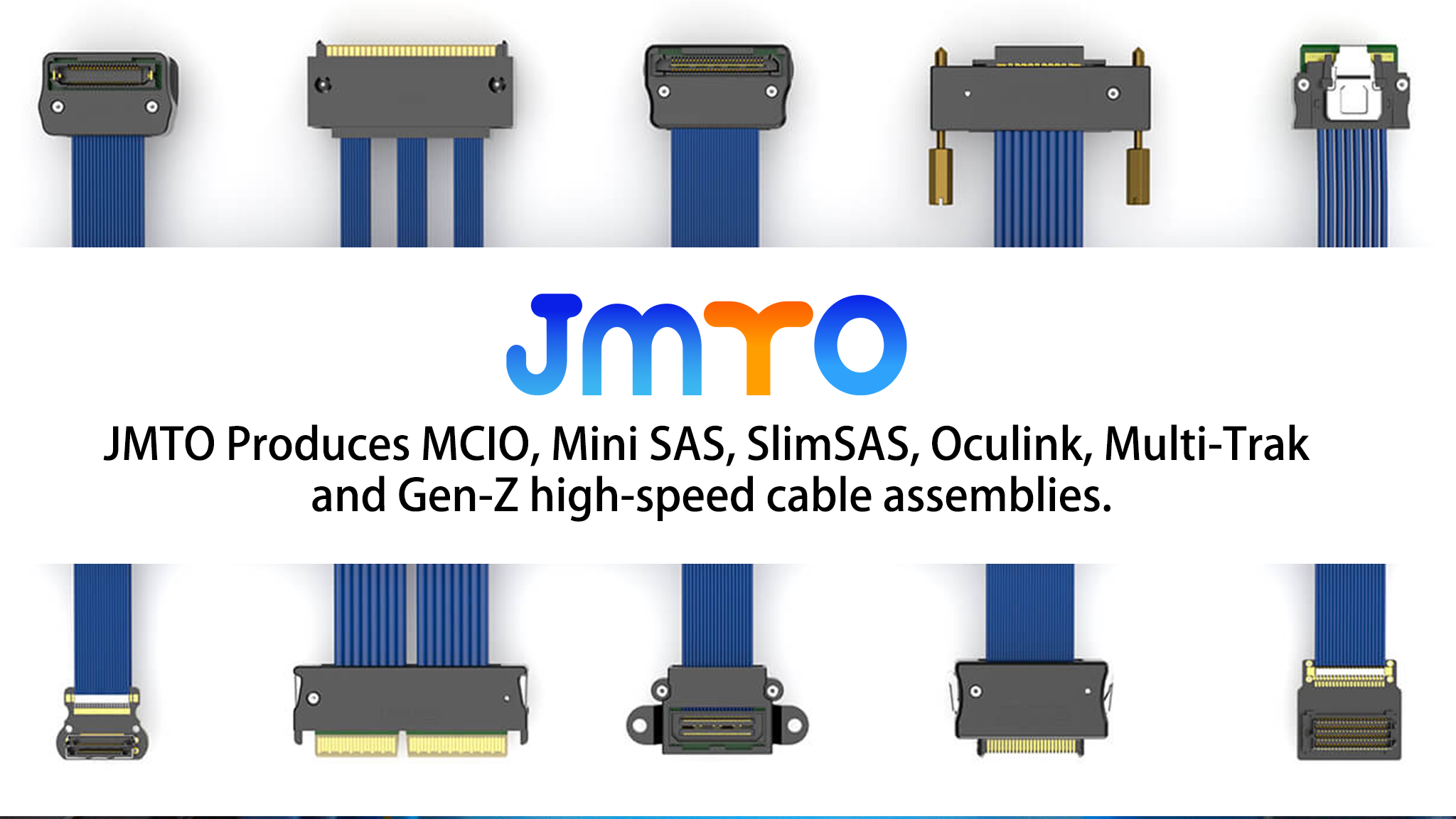
Data center development continues to support demand for higher performance internal interconnect solutions. Server, storage, networking, and computing equipment increasingly require compact connections that can support fast data transmission within limited installation space.
This trend is particularly relevant to internal server and storage connections, where cable selection needs to balance electrical performance, connector density, routing requirements, and mechanical compatibility.
As electronic systems process larger volumes of data, internal cable assemblies need to support increasingly demanding transmission requirements.
The development of PCIe generations is increasing bandwidth requirements for connections inside servers, storage systems, workstations, and high performance computing equipment. Cable construction and connector design therefore need to maintain signal integrity as transmission speeds increase.
System designers are placing more components into smaller equipment enclosures. This increases the importance of connector size, cable diameter, bend radius, and routing direction.
Compact internal connections can simplify installation in dense server and storage environments. Right angle connector configurations can also help reduce routing pressure where clearance around the PCB or chassis is limited.
Internal high speed connectivity has evolved from SAS based storage connections toward higher bandwidth PCIe platforms. As transmission requirements increase, server, storage, workstation, and high performance computing systems require cable assemblies that can maintain signal integrity at higher speeds.
This development is increasing the importance of compact internal interconnect solutions such as MCIO, SlimSAS, MiniSAS, and riser card cables. JMTJM's high speed cable solutions cover multiple internal interconnect configurations for servers, storage systems, and high performance computing applications.
PCIe Gen4 supports a transmission rate of 16 GT/s per lane, while PCIe Gen5 increases the rate to 32 GT/s per lane. These higher transmission requirements place greater demands on cable construction, connector design, impedance control, and signal integrity.
JMTJM offers MCIO and SlimSAS cable configurations for PCIe related applications. Its PCIe 5.0 MCIO cable supports high speed internal connections for data center servers, storage systems, and other high performance equipment.
PCIe Gen6 increases the transmission rate to 64 GT/s per lane and uses PAM4 signaling. The higher transmission requirements reduce signal margins and place greater demands on insertion loss, crosstalk control, impedance, and overall channel performance.
JMTJM's FAQ explains how PAM4 signaling affects PCIe 6.0 MCIO cable design and why tighter control of insertion loss and crosstalk becomes necessary at higher transmission speeds.
Future PCIe generations will continue to increase bandwidth requirements. This trend is expected to drive further development of compact internal cable assemblies that can support higher transmission speeds while fitting into increasingly dense system architectures.
MCIO is an important high density internal interconnect solution for servers, storage systems, AI computing equipment, and high performance computing environments.
Its compact connector structure supports multiple high speed lanes within limited installation space. JMTJM offers MCIO cable assemblies including MCIO 4i, MCIO 8X, and PCIe related configurations. The product range also includes MCIO connections for storage and NVMe applications.
SlimSAS is widely used for high speed connections in storage and server systems. Its compact structure makes it suitable for applications where space efficiency and reliable data transmission are required.
JMTJM offers MCIO to SlimSAS cable configurations supporting PCIe related applications, including connections between MCIO and SlimSAS interfaces for servers, storage systems, workstations, and other high density computing equipment.
MiniSAS remains relevant for storage and server connectivity, particularly in systems that use SAS based storage architectures.
JMTJM's high speed cable range includes MiniSAS and HD MiniSAS configurations, including cables that connect MiniSAS with SlimSAS interfaces. These configurations can support different storage and internal system architectures depending on the connector type and supported protocol.
Riser card cables provide flexible internal connections between system boards and expansion components. They are useful in compact server and computing architectures where conventional board to board layouts may not provide sufficient installation flexibility.
Cable length, connector orientation, signal integrity, and mechanical clearance should be evaluated together when selecting a riser card cable for a high speed application.
The required data rate should be defined before selecting a cable. Buyers should identify the target interface and maximum transmission requirement rather than relying on a general high speed description.
For PCIe applications, the required generation and lane configuration should be confirmed before selecting the cable. The selected cable should then be evaluated against the source device, receiver, connector, transmission distance, and operating conditions.
Connector configuration directly affects compatibility with the target equipment. Specifications should define connector type, pin configuration, orientation, gender where applicable, and cable length.
This is especially important for OEM projects because small differences in connector orientation or cable routing can affect installation inside a finished product.
Impedance should match the requirements of the target system and protocol. A mismatch can increase return loss and signal degradation, particularly as transmission speeds increase.
JMTJM's SlimSAS technical FAQ explains the difference between 85 ohm configurations for PCIe applications and 100 ohm configurations for SAS/SATA storage systems. Buyers should therefore confirm the required impedance before placing an order.
Cable length can affect transmission performance. Longer connections can increase attenuation and place greater demands on signal integrity.
The appropriate design depends on bandwidth, protocol, cable structure, distance, and installation conditions. Buyers should request performance information for the exact cable length required.
International buyers may require documentation related to environmental, safety, and interface standards. Depending on the application and target market, requirements may include RoHS, REACH, UL, or other applicable standards.
Compliance requirements should be included in the initial RFQ so the supplier can confirm the applicable materials, testing, and documentation before production.
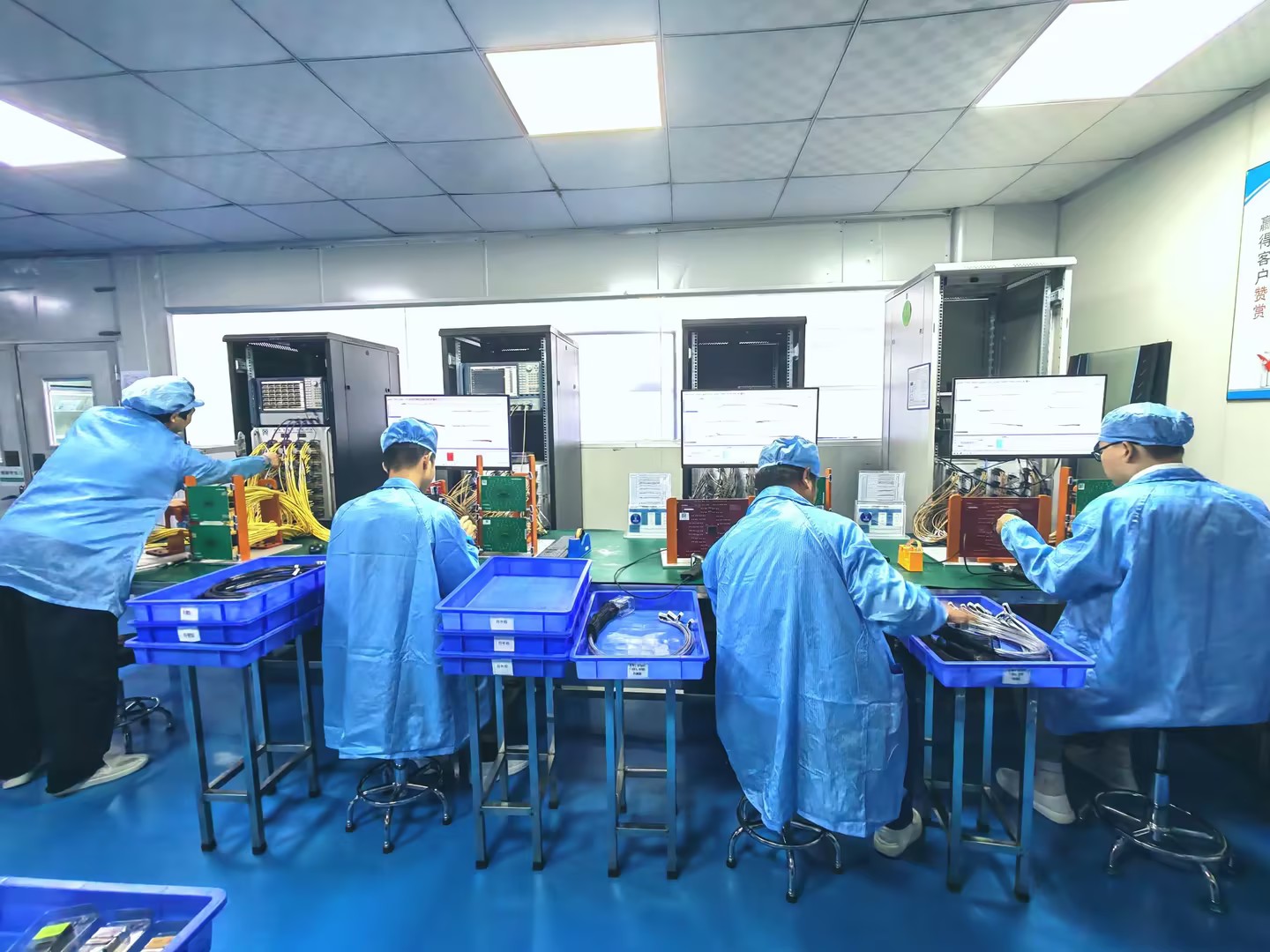
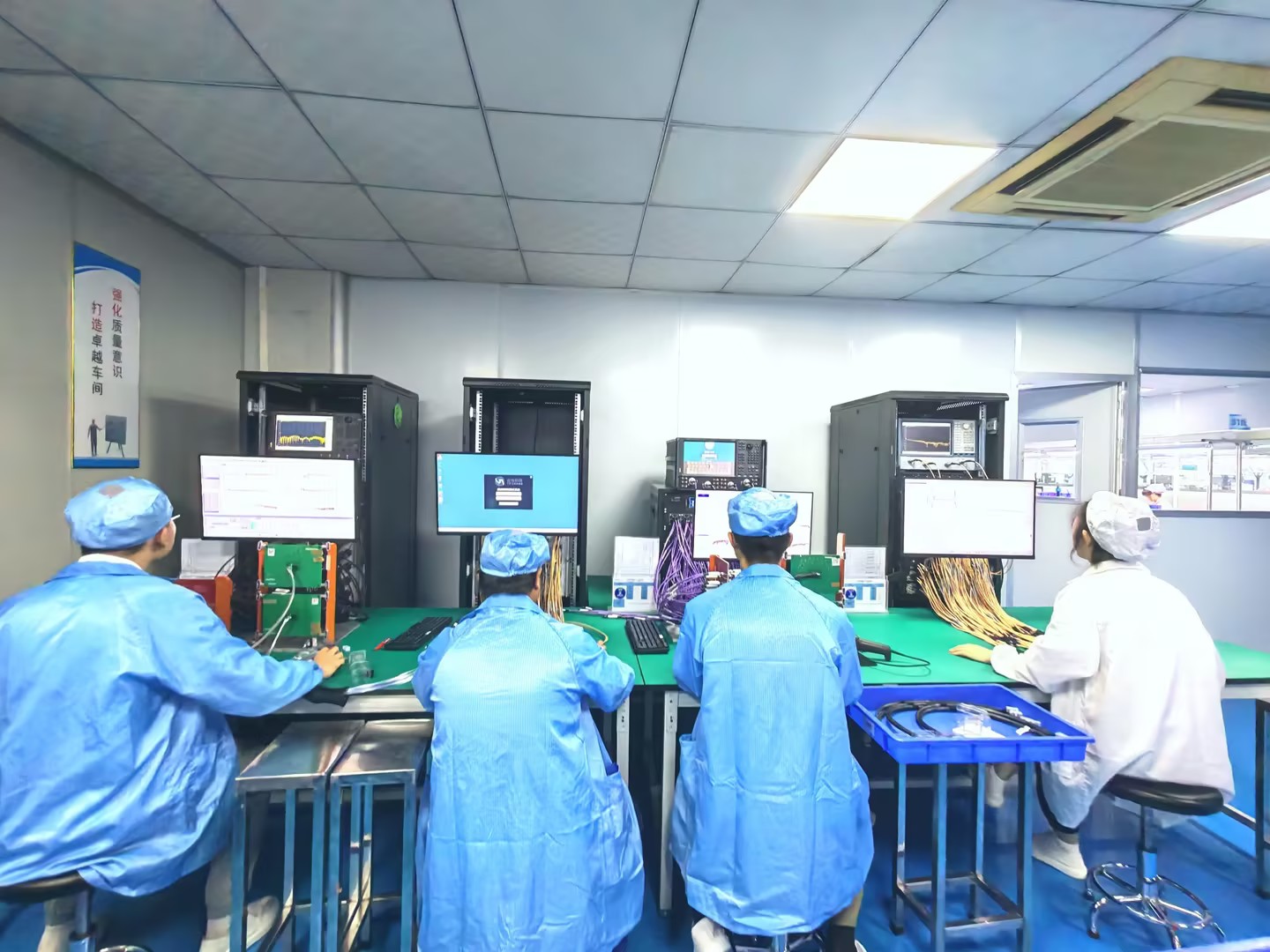
Supplier evaluation should include more than product specifications. Buyers should review how the manufacturer controls materials, production processes, electrical performance, and final inspection.
JMTJM's quality control and testing capabilities include a CNAS laboratory, TDR testers, high temperature test chambers, X ray fluorescence spectrometers, drop test equipment, DC resistance testing equipment, and dielectric withstand testing equipment.
Testing requirements should match the intended application and may include electrical, mechanical, and environmental testing where applicable.
OEM and system integration projects often require customized cable lengths, connector orientations, molding structures, materials, packaging, or labeling.
A suitable supplier should be able to maintain consistent electrical performance while adapting the physical configuration to the customer's equipment requirements.
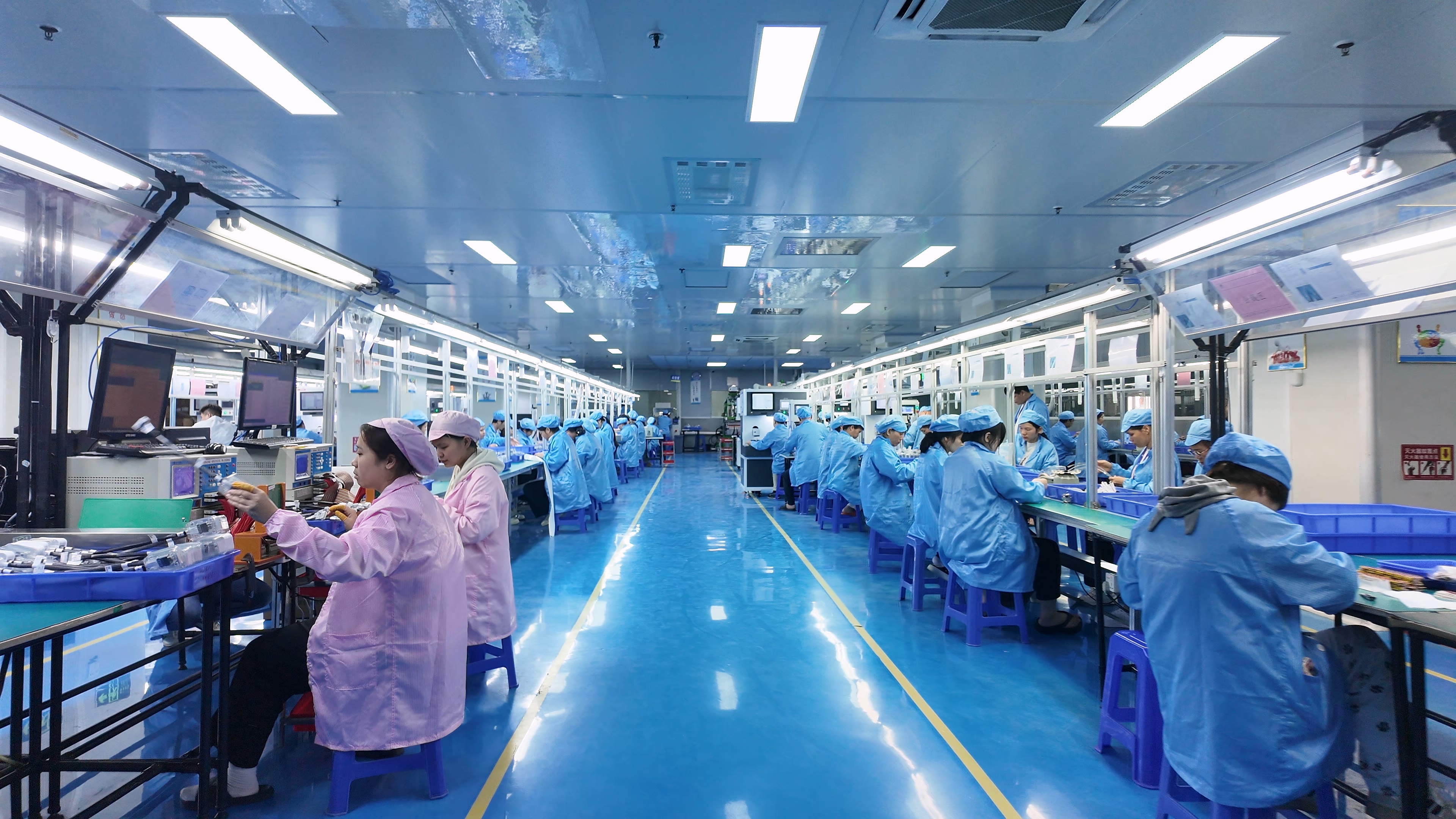
Production capacity becomes important when a project moves from sample development to volume procurement. Buyers should evaluate production lines, automation, inspection procedures, quality systems, and the supplier's ability to maintain consistent output.
JMTJM's company profile and production capabilities cover its manufacturing facilities, automated production operations, integrated R&D resources, and annual production capacity.
High speed cable procurement increasingly involves specialized connectors and application specific configurations. Buyers should therefore evaluate material availability, connector sourcing, production capacity, lead time management, and quality consistency.
A supplier that can support both customized development and volume production can reduce the need to change suppliers when a project moves from prototype to mass production.
Cable structure, conductor material, connector type, bandwidth requirement, cable length, shielding, testing requirements, order quantity, and customization can all affect pricing. Buyers should provide complete technical requirements when requesting a quotation.
Start with the required protocol and data rate. Then confirm the connector configuration, lane configuration, transmission distance, impedance, cable structure, operating conditions, compliance requirements, and installation constraints.
For PCIe related applications, buyers should also identify the required PCIe generation before selecting the cable.
Yes. MCIO is used for high speed internal connections in data center servers, storage systems, AI computing equipment, and high performance computing environments. The correct configuration depends on the system architecture, protocol, lane configuration, and required transmission performance.
Yes. SlimSAS cable assemblies can support storage and server applications where compact connectivity is required. The appropriate configuration depends on the supported protocol, connector type, lane configuration, impedance, and system design.
Yes. Longer transmission distances can increase attenuation and place greater demands on signal integrity. Buyers should confirm the manufacturer's performance specifications for the exact cable length and application.
The global high speed cable market is being shaped by higher data requirements, denser system architectures, and the transition toward faster internal interconnect technologies.
For procurement teams, selecting the right cable requires careful consideration of transmission performance, protocol, connector configuration, impedance, compliance, and supplier capability.
For technical specifications, custom cable requirements, or bulk sourcing, contact the team or review JMTJM's company profile and agenda to discuss your application.



Copyright © 2026 Guangdong Jiumutong Communication Technology Co., Ltd All Rights Reserved
によって設計されています


