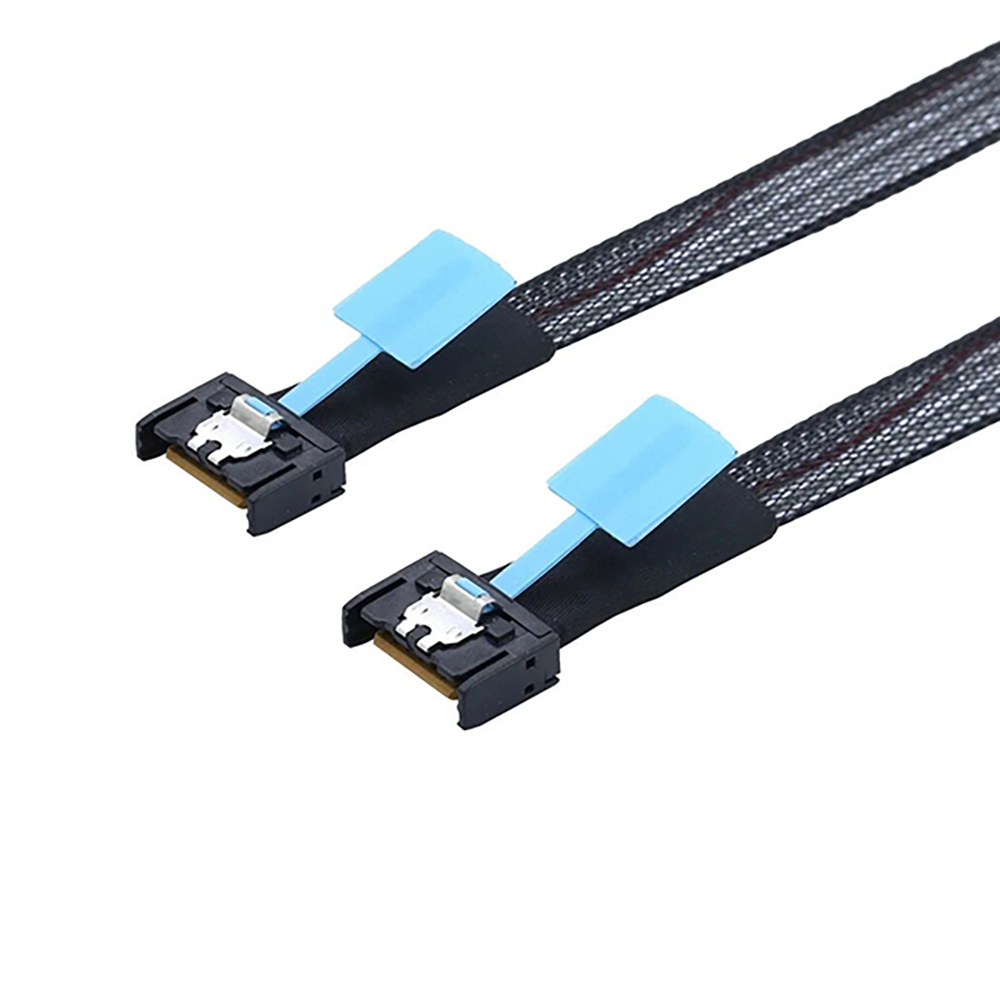
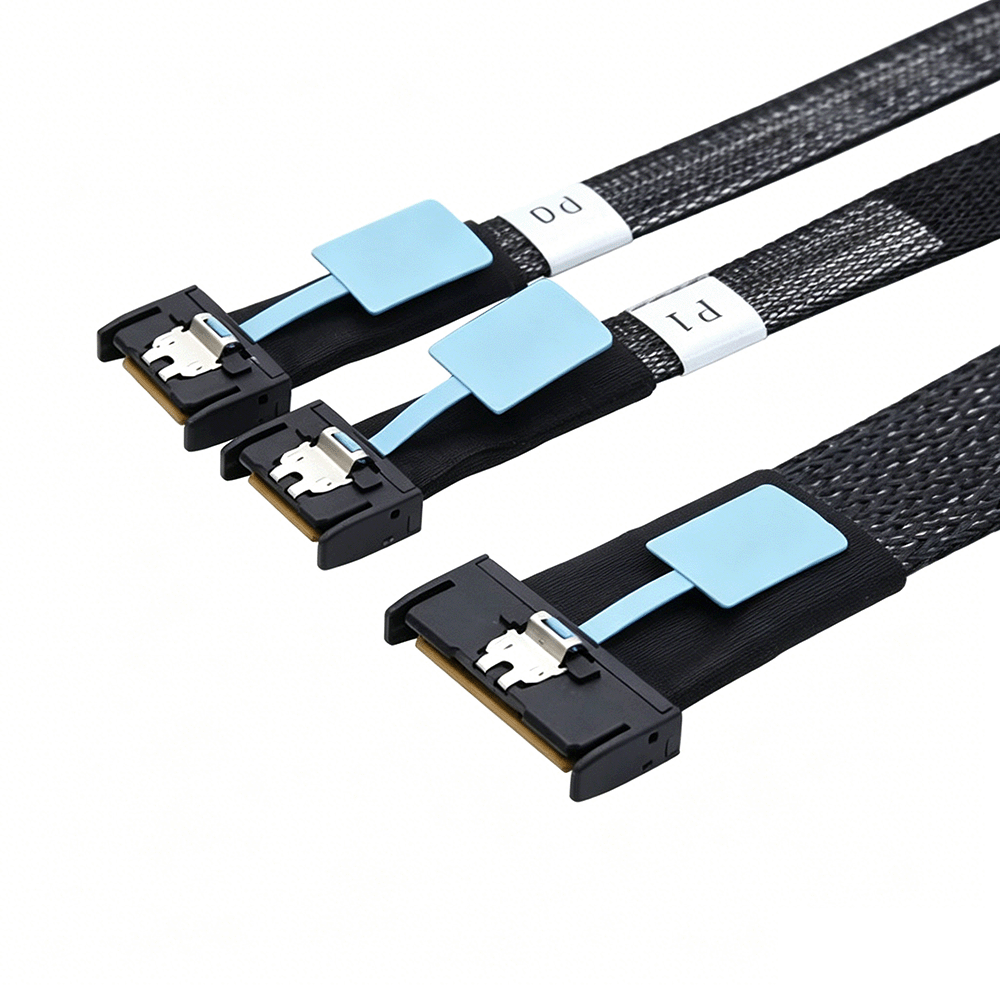
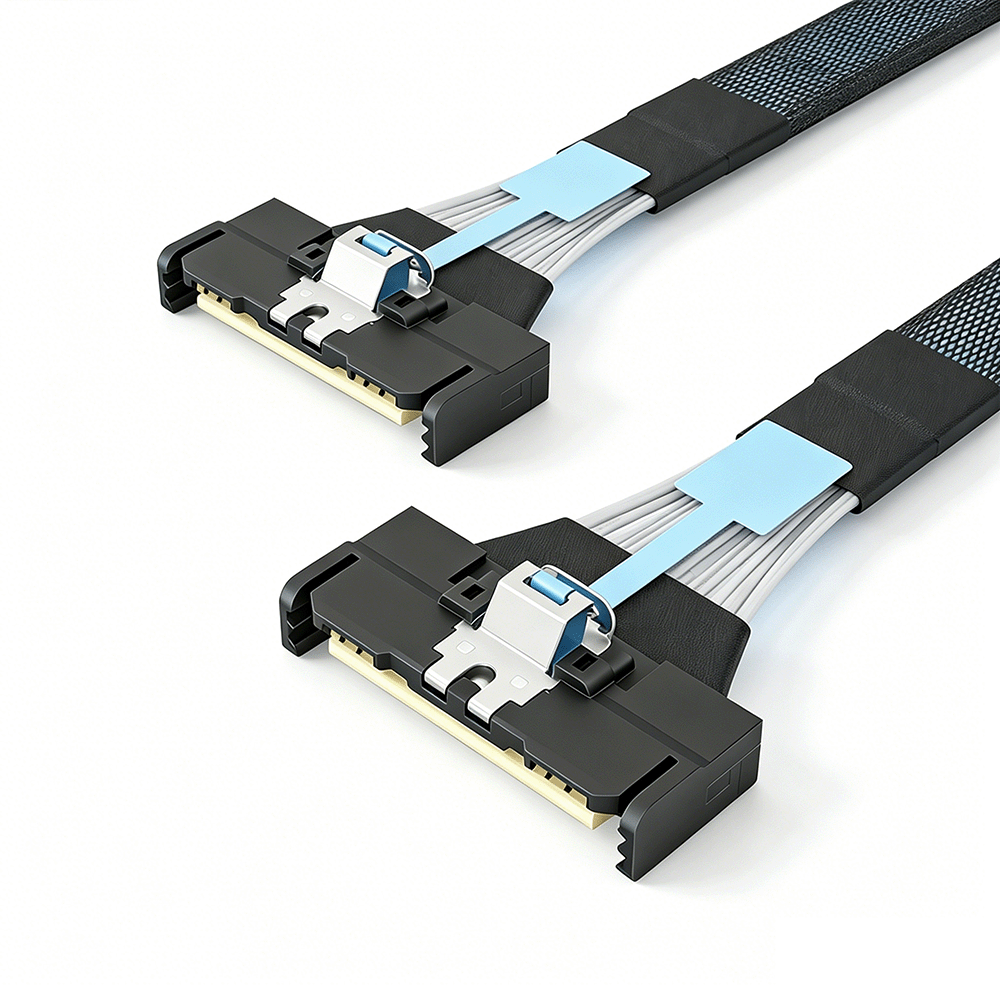
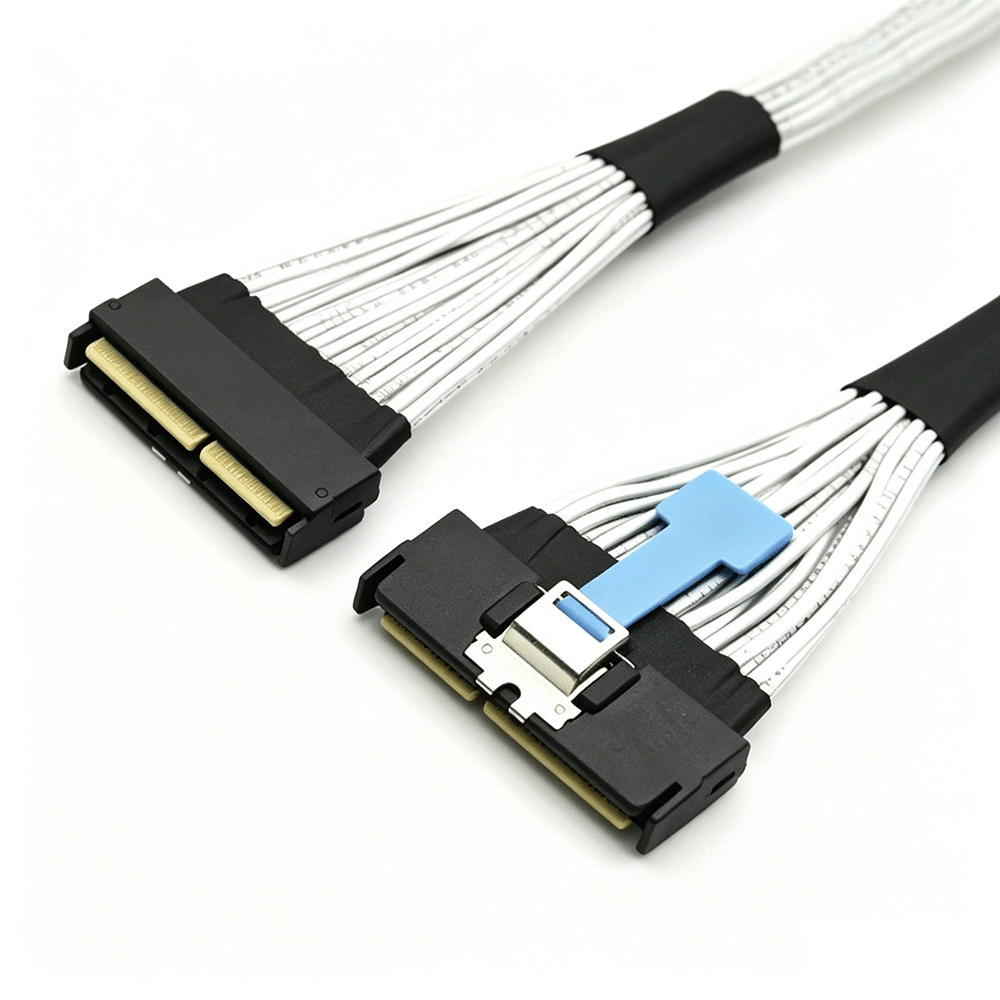
Manufacturer Of High Quality Data Cable

Manufacturer Of High Quality Data Cable
JMTJM manufactures a broad range of high speed cable assemblies for 3C, automotive, medical, and industrial applications. Selecting the correct cable for your specific use case requires a structured evaluation of signal requirements, environmental conditions, and compliance standards.
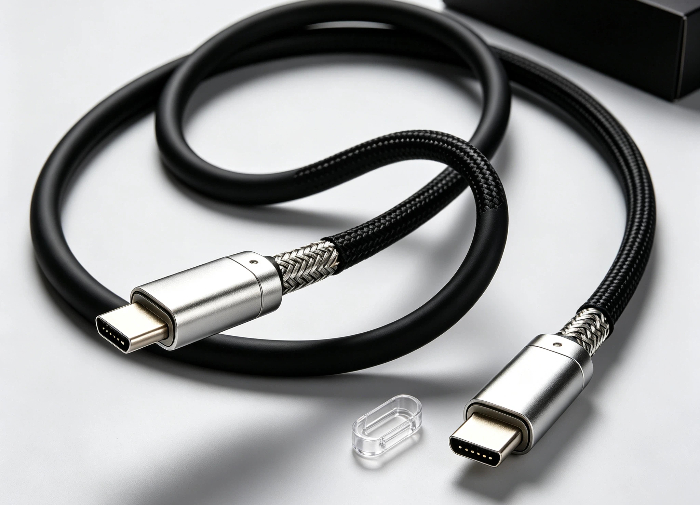
The starting point for cable selection is understanding the signal characteristics of your application. Bandwidth, data rate, and signal type determine which cable category is technically viable.
Identify the maximum data rate of your system. List all devices in the signal path and find their highest required data rate. HDMI 2.1 requires 48 Gbps. USB 4 requires 40 Gbps. DisplayPort 2.1 requires up to 80 Gbps. The selected cable must support at least the peak data rate of the fastest device.
Determine the signal type and protocol. Digital video signals require different cable construction than serial data or power delivery. Video protocols like HDMI and DisplayPort include auxiliary channels for EDID and HDCP that must function correctly.
Data protocols like USB 4 carry both data and power over the same cable. Understanding which protocol your devices use narrows the cable options significantly.
Evaluate the required transmission distance. Measure the exact cable path distance from source to destination. Include service loops and routing bends in your measurement. Passive copper cables have strict distance limits at high speeds.
A 48 Gbps HDMI signal over passive copper is limited to approximately 3 meters. For longer runs, active cables or fiber optic alternatives become necessary. Always add 10 percent margin to the measured distance to account for routing constraints during installation.
Environmental conditions affect cable performance and lifespan. Different installation environments require different jacket materials, shielding levels, and mechanical ratings.
Indoor controlled environments such as offices and data centers
can use standard PVC jacketed cables with basic foil shielding. Temperature and humidity are stable, and EMI sources are limited. Unshielded twisted pair Ethernet cables are acceptable for data center use when cable runs stay within specified distance limits.
Industrial manufacturing environments
expose cables to vibration, oil, extreme temperatures, and electromagnetic interference from motors and welders. These applications require cables with braided shielding, oil-resistant TPE or PUR jackets, and rated temperature ranges from -40°C to 105°C.
Shielded industrial Ethernet cables with double shielding provide reliable performance in these conditions. Cable failure in an industrial environment can halt an entire production line, making robust construction a high priority.
Outdoor and harsh environment installations
require UV-resistant jackets, waterproof connectors, and corrosion-resistant shielding. Direct burial rated cables with gel-filled cores prevent moisture ingress. Outdoor rated cables typically use PE or LSZH jacket materials instead of PVC. Salt spray resistance is an important additional consideration for coastal or marine installations.
Cable procurement cost is only one component of overall system expense. Installation labor, replacement frequency, and downtime cost often exceed the cable purchase price.
Higher quality cables with robust shielding and certified performance have higher upfront cost but lower lifetime cost. A certified industrial Ethernet cable rated for 10 million flex cycles costs more than a standard patch cable. However, replacing a failed cable in a robotic arm costs several hours of production downtime plus labor for replacement.
Standardizing on a single cable type across similar applications reduces inventory complexity and training requirements. If all control cabinet connections use the same Cat6a shielded cable with the same connector type, technicians carry fewer spare parts and make fewer installation errors.
The table below maps common applications to recommended cable specifications based on industry requirements and cost considerations.
Application | Recommended Cable | Min Bandwidth | Shielding Type | Jacket Requirement |
|---|---|---|---|---|
4K 60 Hz Home Theater | HDMI 2.1 Premium | 18 Gbps | Foil + Braid | PVC, CM rated |
Data Center Switching | Cat8 S/FTP | 2000 MHz | Inpidual Foil Pairs + Overall Braid | LSZH, CMP rated |
Medical Ultrasound | USB 4 Active | 40 Gbps | Dual Braid 90% | Medical grade TPE |
Automotive Camera | Coax FPD-Link III | 6 Gbps | Braid 85% + Foil | Automotive PVC, -40 to 105°C |
Industrial Robotic Arm | Shielded Cat6a | 500 MHz | Double Shield SF/UTP | PUR, oil resistant |
Telecom Backhaul | Active Optical | 100 Gbps | N/A | Armored, outdoor rated |
Purchasing certified cables eliminates performance uncertainty. Certification from HDMI Licensing Administrator, USB Implementers Forum, or TIA ensures the cable has passed standardized compliance testing.
Certified cables include test results for insertion loss, return loss, crosstalk, and shielding effectiveness. These measurements confirm the cable will perform at its rated speed over its specified length. Uncertified cables may save initial cost but introduce risk of intermittent failures that are difficult to diagnose in the field.
Compliance with regional safety standards is equally important. Cables installed in plenum spaces must meet CMP fire rating. European installations require CE marking and RoHS compliance. Industrial installations often require UL listing or CSA certification for insurance and safety inspection purposes.
Working with a manufacturer that holds protocol certifications reduces the risk of compatibility issues. JMTJM is an HDMI and USB association member with HDMI 2.1 certification and USB 4 IF certification. Over 70 product patents cover cable design, shielding construction, and connector termination methods used across our product range.
JMTJM provides custom-engineered cable assemblies for applications requiring non-standard lengths, specialized connectors, or unique jacket materials. Each assembly is tested for compliance with the relevant protocol specification before shipment. Engineering support is available during the design phase to verify connector selection and cable routing compatibility.
What happens if I use a cable with insufficient bandwidth for my application?
The system may exhibit intermittent signal loss, reduced resolution, or complete failure to display or transmit data. HDMI connections fall back to lower resolutions. USB connections may drop to slower data rates. In industrial settings, insufficient bandwidth causes communication errors between controllers and field devices.
How do cable quality differences between manufacturers affect performance?
Cable quality varies primarily in conductor material purity, shielding coverage percentage, and connector termination consistency. Higher quality cables use oxygen-free copper conductors and 90 percent braid coverage. Lower quality cables may use copper clad aluminum and 60 percent braid coverage, which reduces signal integrity over longer distances.
Can existing building cabling support new high speed devices?
Existing cabling must be tested to confirm it meets the bandwidth requirements of new equipment. Older Cat5e cabling supports up to 1 Gbps but cannot handle 10 Gbps. A cable certification test from a Fluke or equivalent tester provides definitive pass or fail results for the installed cable plant. Retesting is recommended whenever new equipment is added.
What is the lead time for custom length high speed cable assemblies?
Custom cable assemblies typically require 2 to 4 weeks for engineering review, material procurement, and production. JMTJM offers expedited sampling for qualified OEM projects. Custom terminated cables are tested at the factory to ensure performance matches the original cable specification before shipment.
Choosing the right high speed cable for your application requires evaluating signal requirements, installation environment, and compliance standards. Bandwidth, shielding, and jacket rating must match the specific operating conditions. Certified cables from experienced manufacturers provide verified performance and reduce system integration risk.
JMTJM provides certified high speed cable assemblies with HDMI 2.1 and USB 4 IF certification, over 70 product patents, and custom engineering support for OEM projects.



Copyright © 2026 Guangdong Jiumutong Communication Technology Co., Ltd All Rights Reserved
Designed by