Manufacturer Of High Quality Data Cable

Manufacturer Of High Quality Data Cable
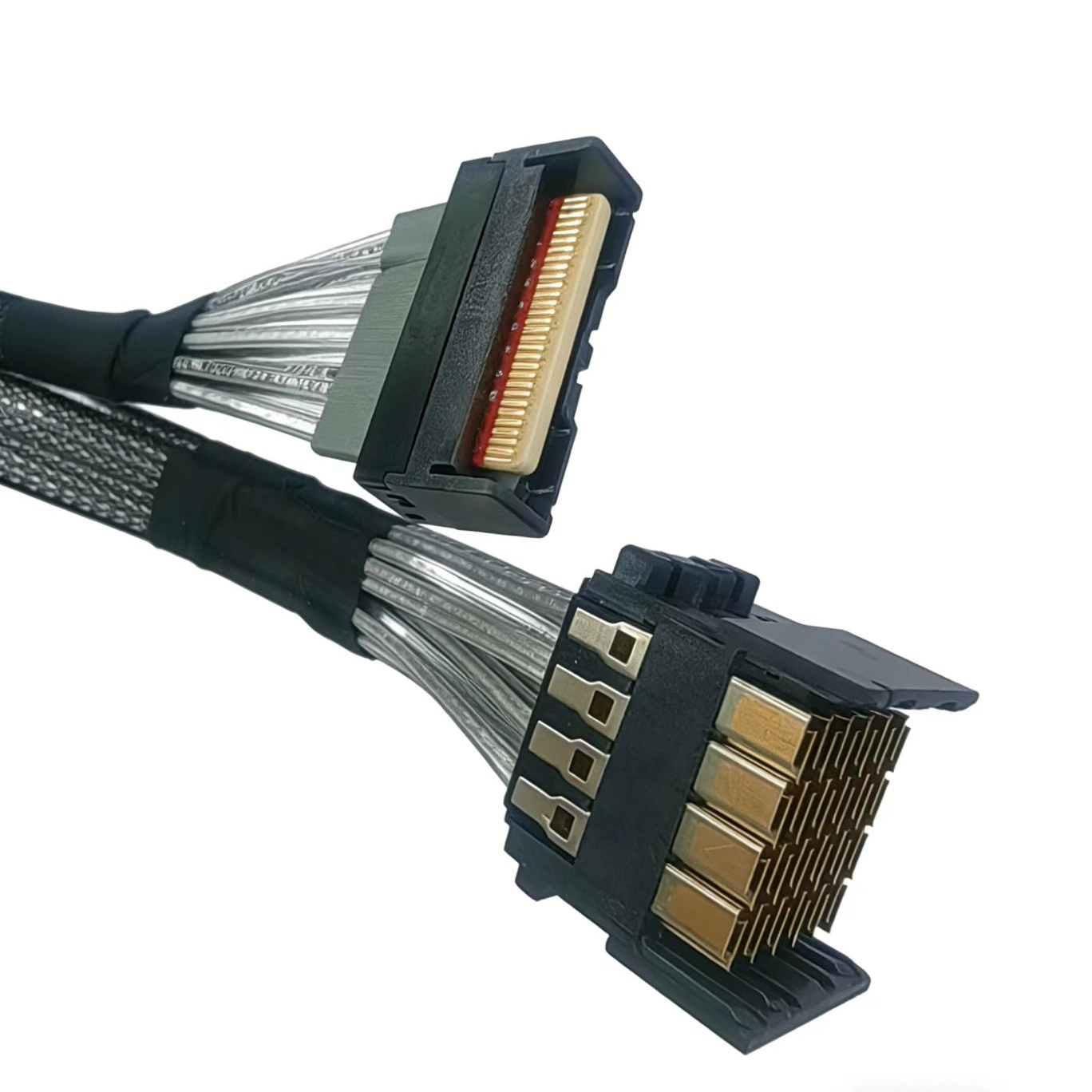
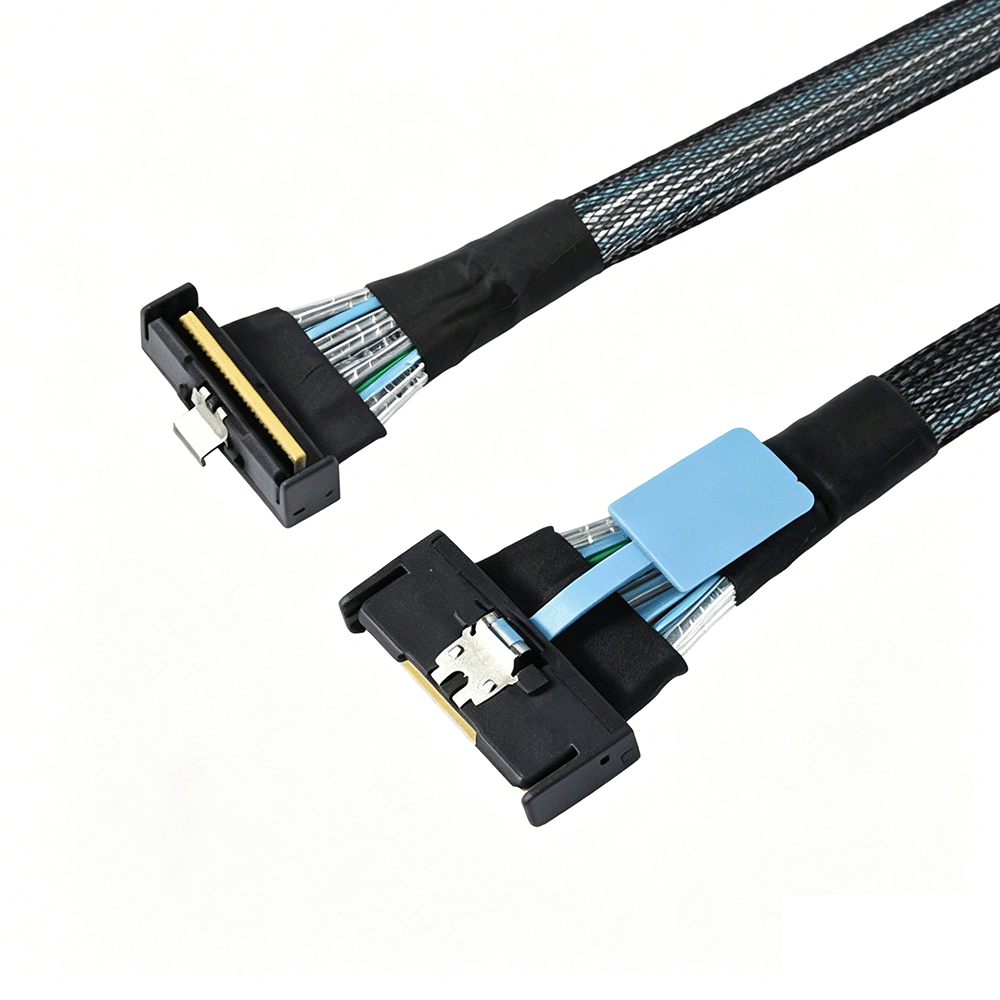
Ultimate density and bandwidth: Up to 112 Gbps per lane, and a single connector supports maximum 16 lanes, delivering far higher space utilization than traditional interfaces.
Modular design and hot-swap support: It enables on-site maintenance and rapid capacity expansion, perfectly adapting to cloud-based and composable infrastructure.
Strong protocol compatibility: Natively compatible with PCIe 5.0/6.0, SAS4 and CXL, fully oriented to future computing power architectures.
High manufacturing and testing costs; high-speed and high-density design brings great challenges in EMI and signal integrity.
It imposes strict requirements on motherboard layout, heat dissipation and power supply design, leading to high engineering complexity.
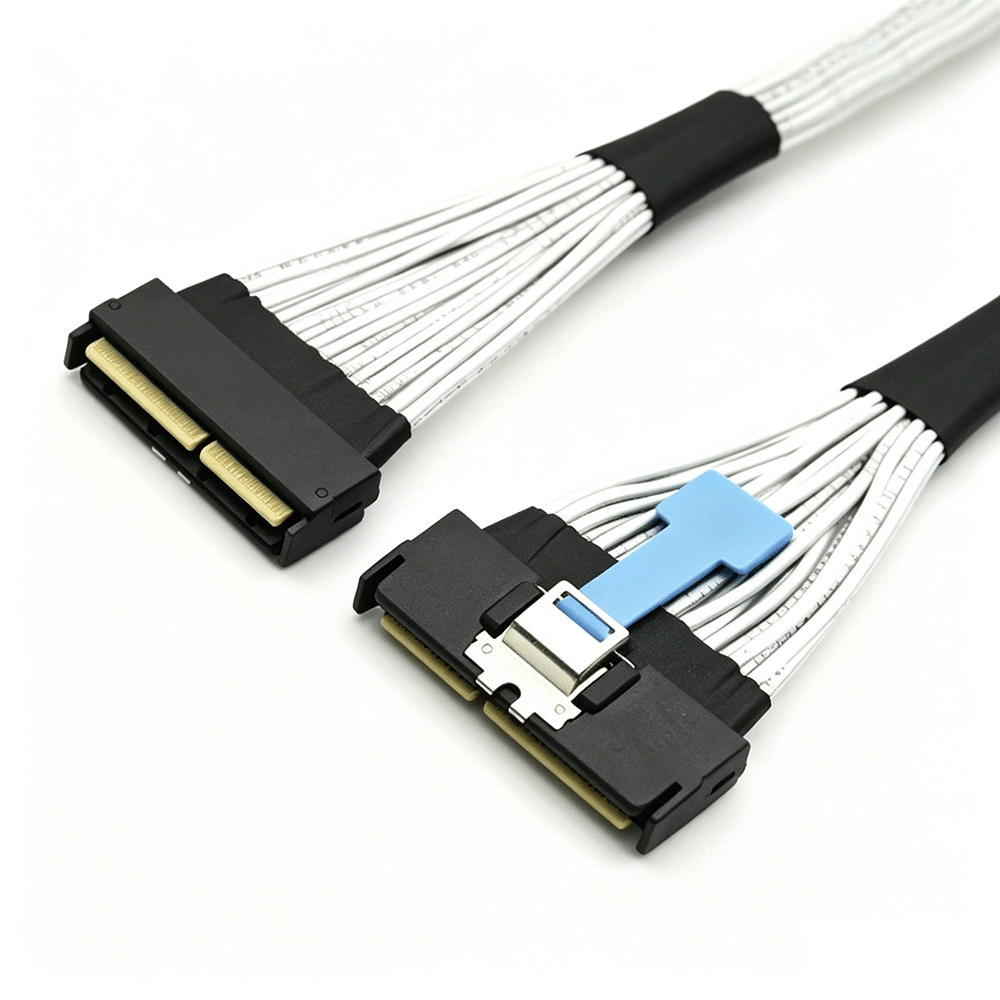
Mature ecosystem: Fully compatible with all platforms and supports PCIe Gen3 to Gen5 with complete hardware and driver resources.
High universal bandwidth: 32 Gbps per lane for Gen5, sufficient to meet the demands of mainstream accelerator cards and high-speed I/O devices.
Low deployment threshold: No extra learning cost required, natively supported by almost all server platforms.
Restricted transmission distance: Signal attenuation tends to occur over long cables, especially obvious in high-speed links.
Hot-swap unsupported: Maintenance and capacity expansion require system shutdown, resulting in insufficient flexibility.
Prominent EMI issues: Parallel multi-lane transmission easily causes interference, bringing difficulties to wiring in high-density scenarios.
Memory semantic access: Processors can access external devices just like local memory, achieving ultra-low latency.
Full-range scalability: Applicable from single machines to large-scale multi-node clusters with flexible architectural elasticity.
Cross-protocol interworking: Capable of cooperating with PCIe, CXL and other protocols with great potential for long-term ecological integration.
Unpopular ecosystem: Limited available products and development resources with few practical implementation cases.
High technical barriers: System architecture, drivers and software stacks need to be reconstructed with high initial investment.
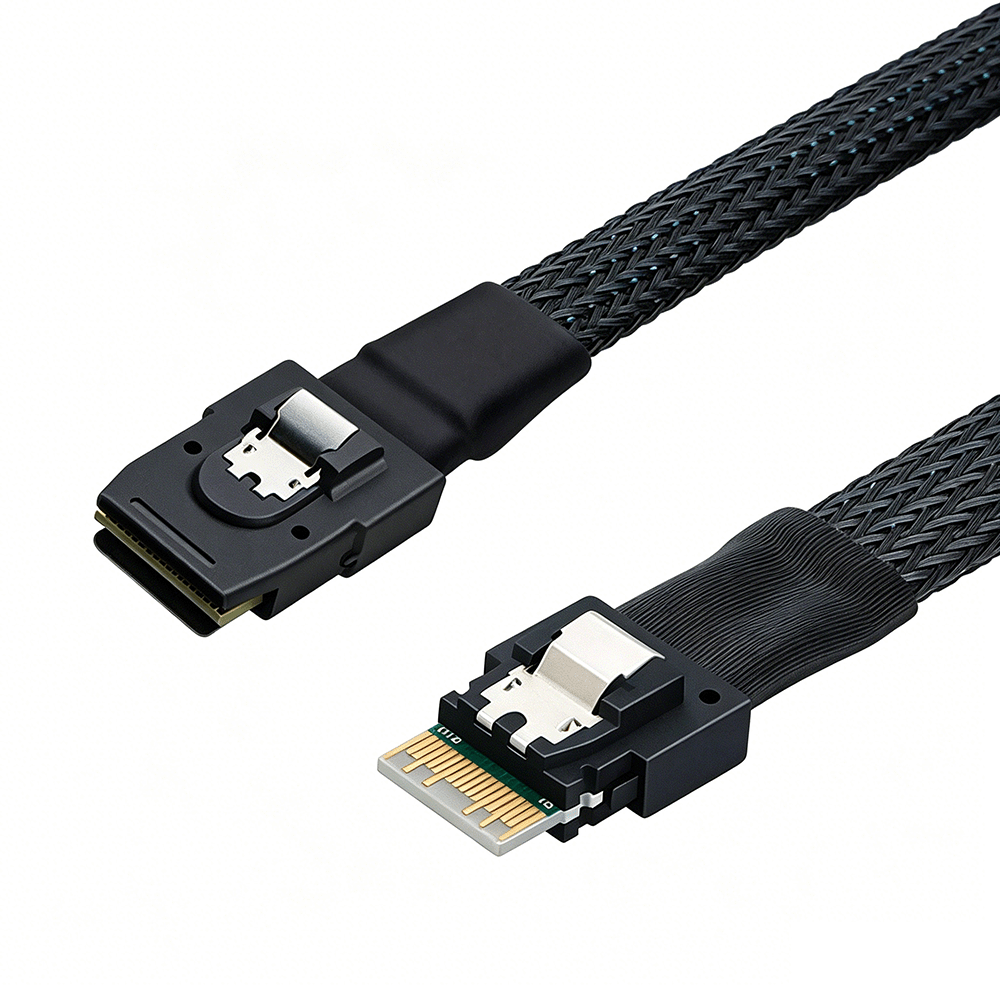
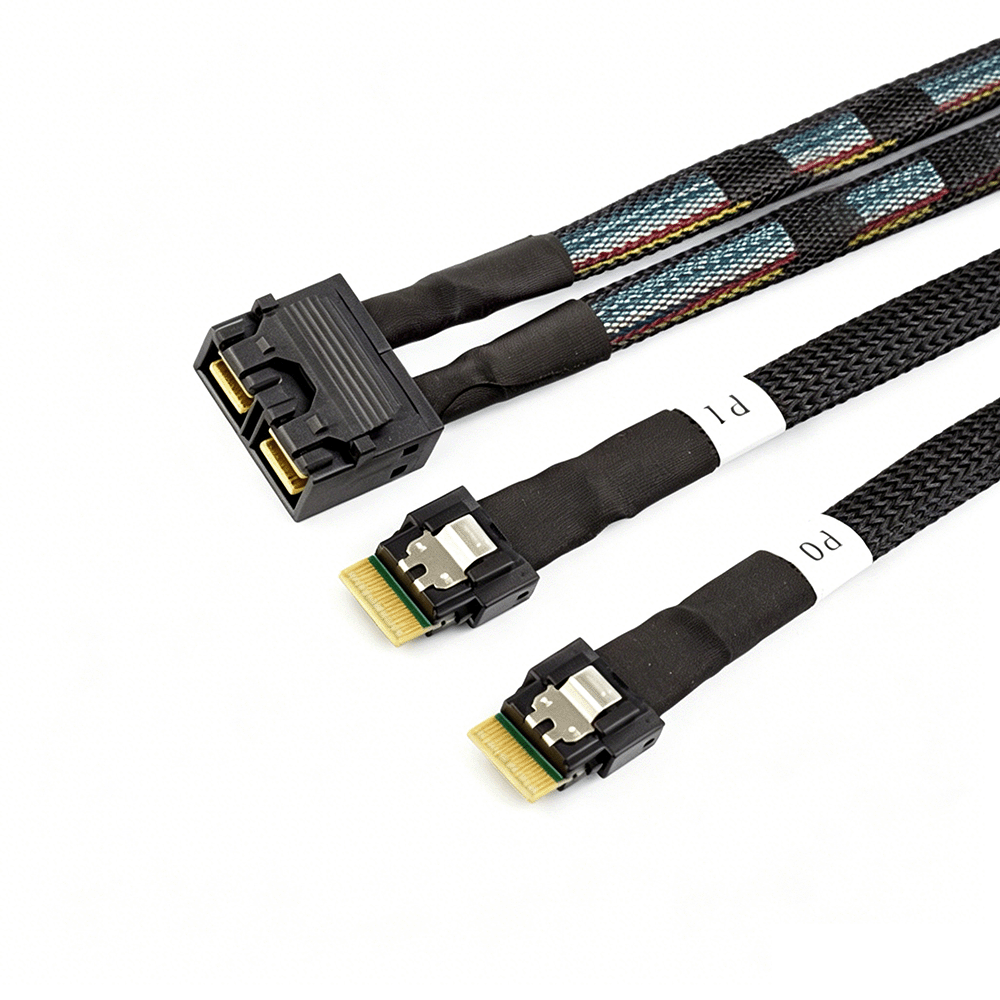
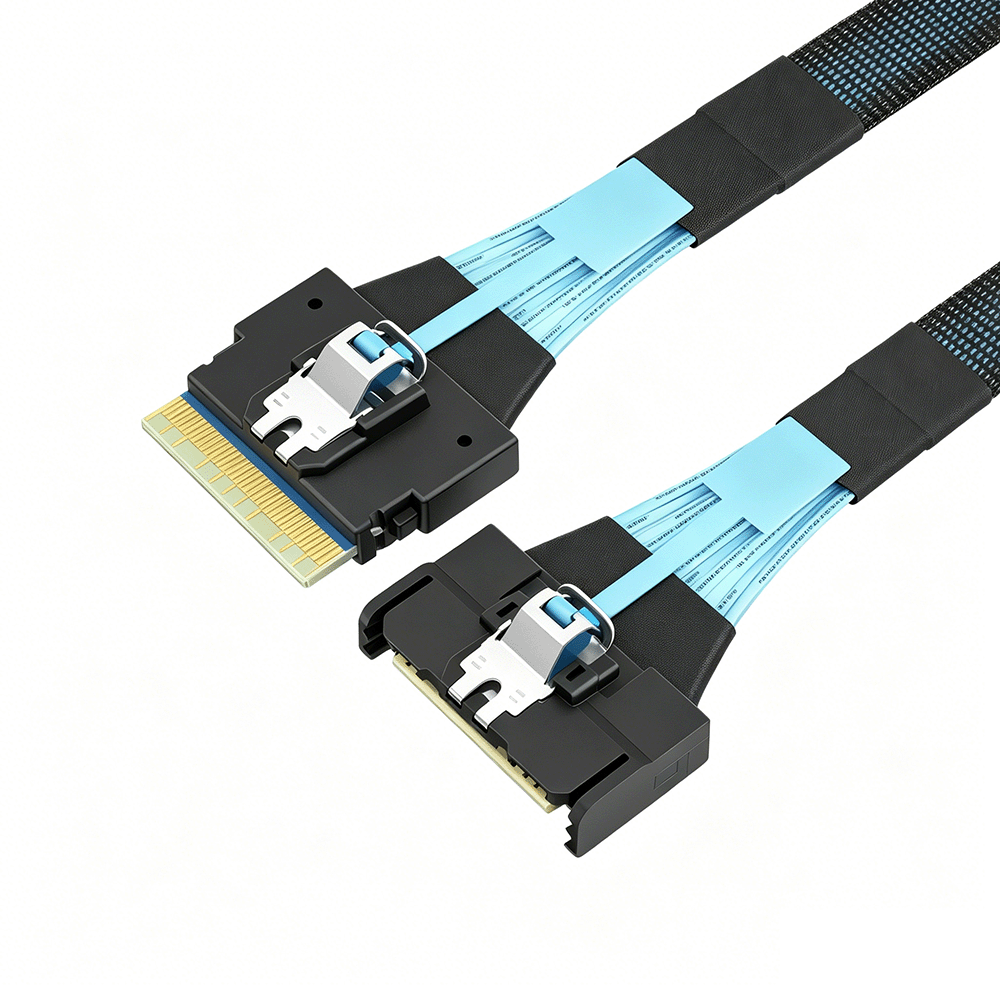
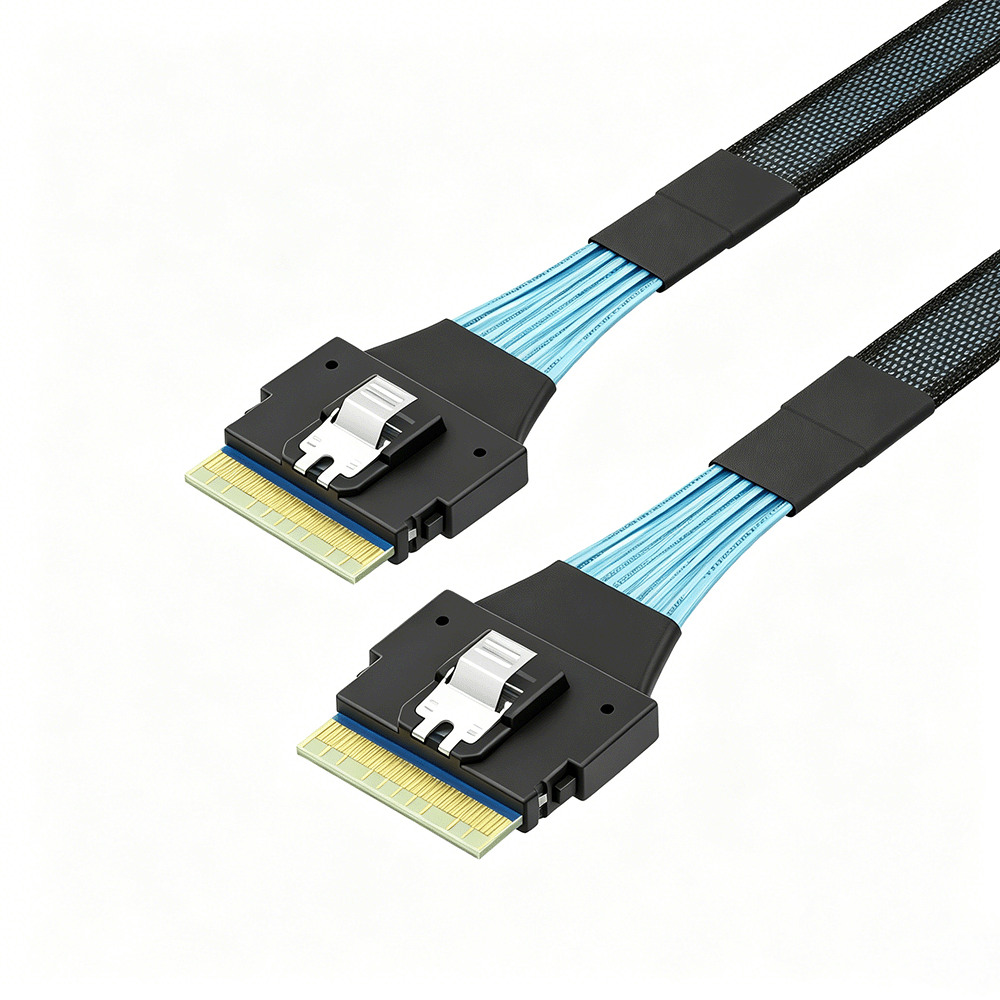
Slimmer size and higher density: It occupies less space and enables multi-channel storage connection in limited space while optimizing air duct layout.
Compatible storage ecosystem: Backward compatible with SATA and SAS for smooth upgrade of existing devices.
Enterprise-grade stability: Built on mature SAS architecture, it supports 7×24-hour stable operation of data centers.
Limited maximum bandwidth: Only up to 24 Gbps per lane, lower than PCIe 5.0 and MCIO.
Storage-oriented positioning: Poor adaptability for non-storage scenarios such as GPUs and AI acceleration with insufficient flexibility.
High-density storage servers, JBOD devices, distributed storage nodes and traditional enterprise-level storage arrays.
| Interface | Max Bandwidth Per Lane | Core Positioning | Core Advantages | Main Defects |
|---|---|---|---|---|
| MCIO | 112 Gbps | High-density module interconnection | High density, hot-swap supported, compatible with PCIe 6.0 & CXL | High cost, complex design |
| PCIe Riser | 32 Gbps (Gen5) | Expansion card extension | Mature & universal, complete ecosystem | Short transmission distance, no hot-swap |
| Gen-Z | Over 100 Gbps | Memory semantic system interconnection | Ultra-low latency, memory-level access, strong scalability | Immature ecosystem, high technical difficulty |
| SlimSAS | 24 Gbps | Storage-dedicated interface | Stable & reliable, compact size, good storage compatibility | Limited bandwidth, narrow application range |
Prioritize MCIO for scenarios pursuing high density and next-generation computing power, ideal for AI deployment, CXL application and high-density I/O layout.
Choose PCIe Riser for universal expansion and cost-sensitive projects thanks to its stable performance and easy deployment.
Adopt Gen-Z for memory pooling and ultra-low latency cluster construction to cater to long-term architectural evolution.
SlimSAS remains the optimal choice balancing cost and compatibility for high-density storage-oriented services.



Copyright © 2025 Guangdong Jiumutong Communication Technology Co., Ltd All Rights Reserved
Designed by