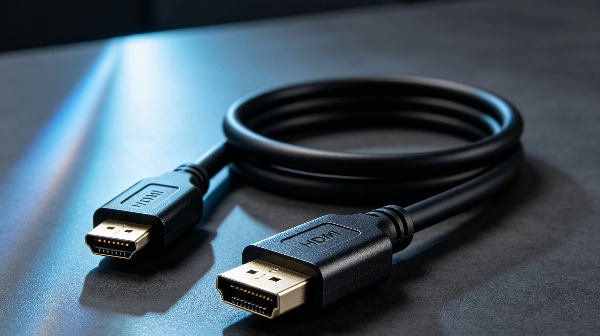


The JMTJM high‑speed cable series — spanning DisplayPort 2.1, HDMI 2.1, USB4, and MCIO interfaces — delivers 80 Gbps bandwidth, 16K video support, and PCIe Gen5/Gen6 compatibility with strict 85‑ohm impedance control for superior signal integrity, making it an ideal interconnect solution for data center servers, storage arrays, network switches, and high‑performance workstations.
-
 Get A Quote
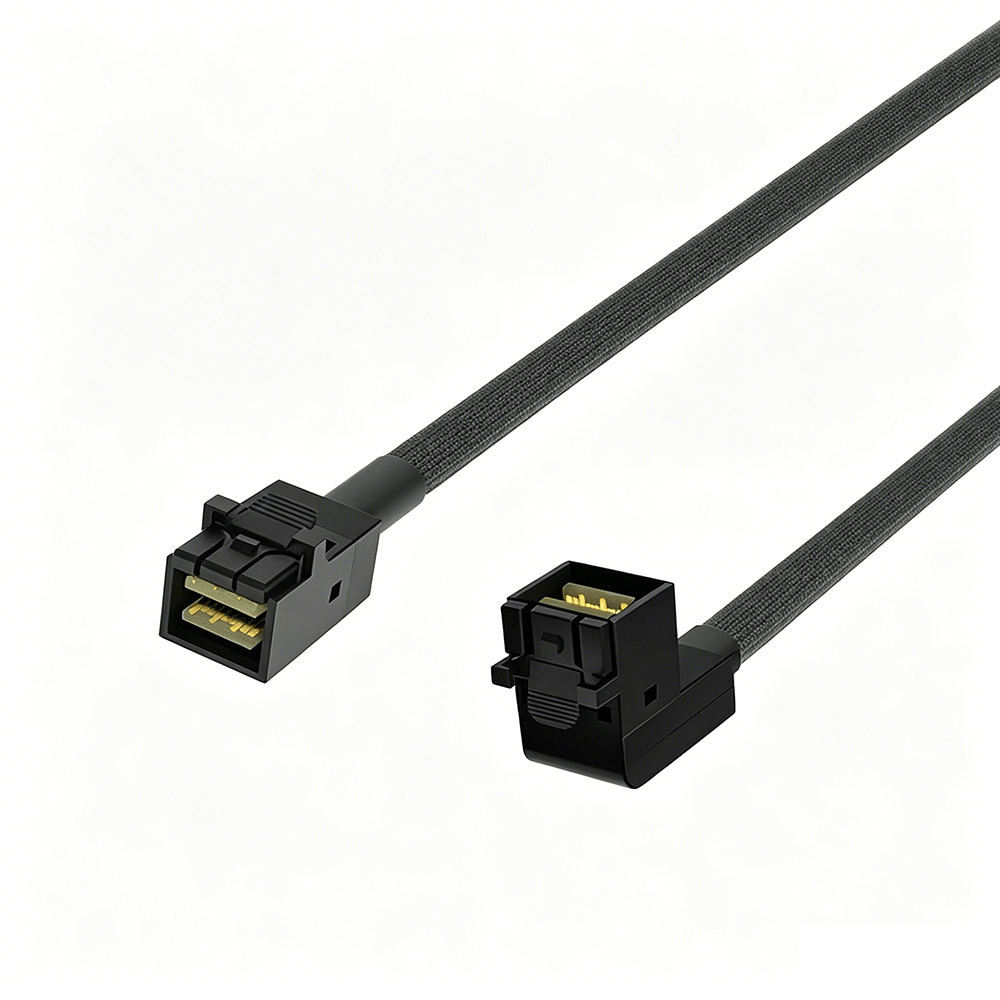
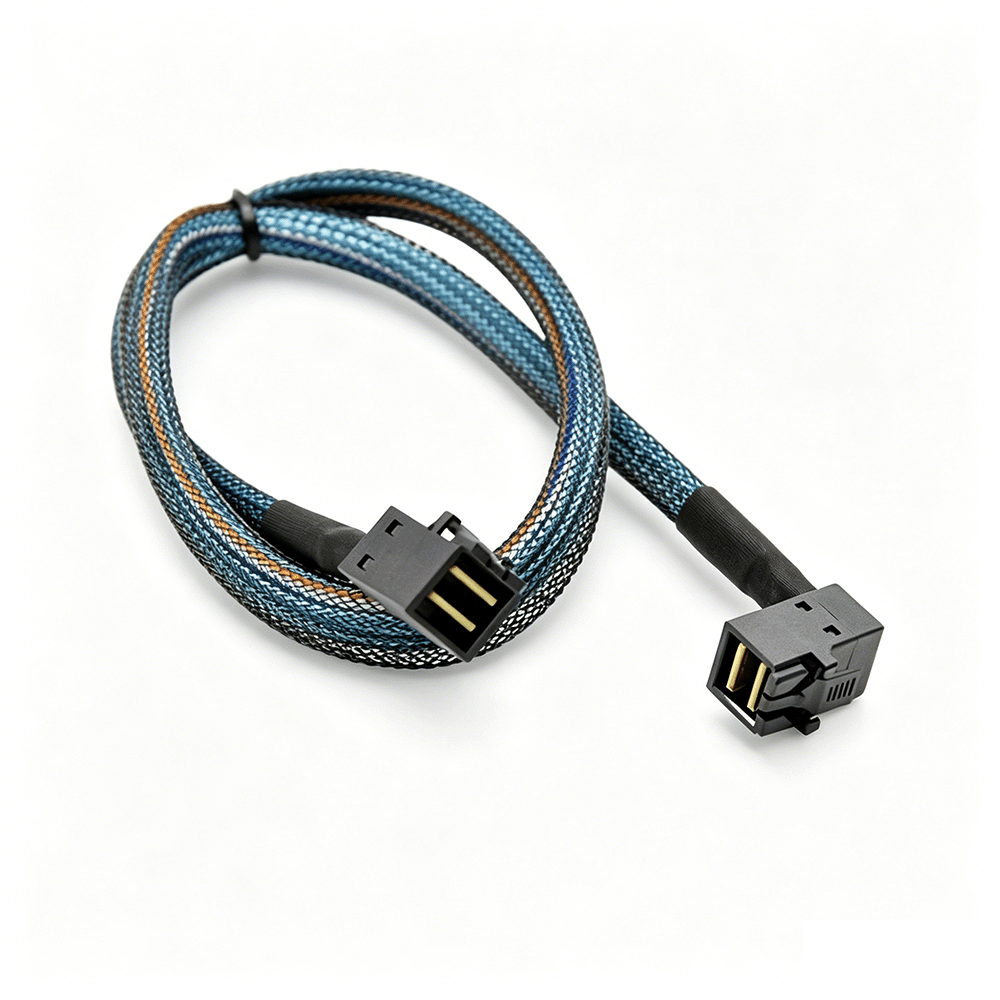
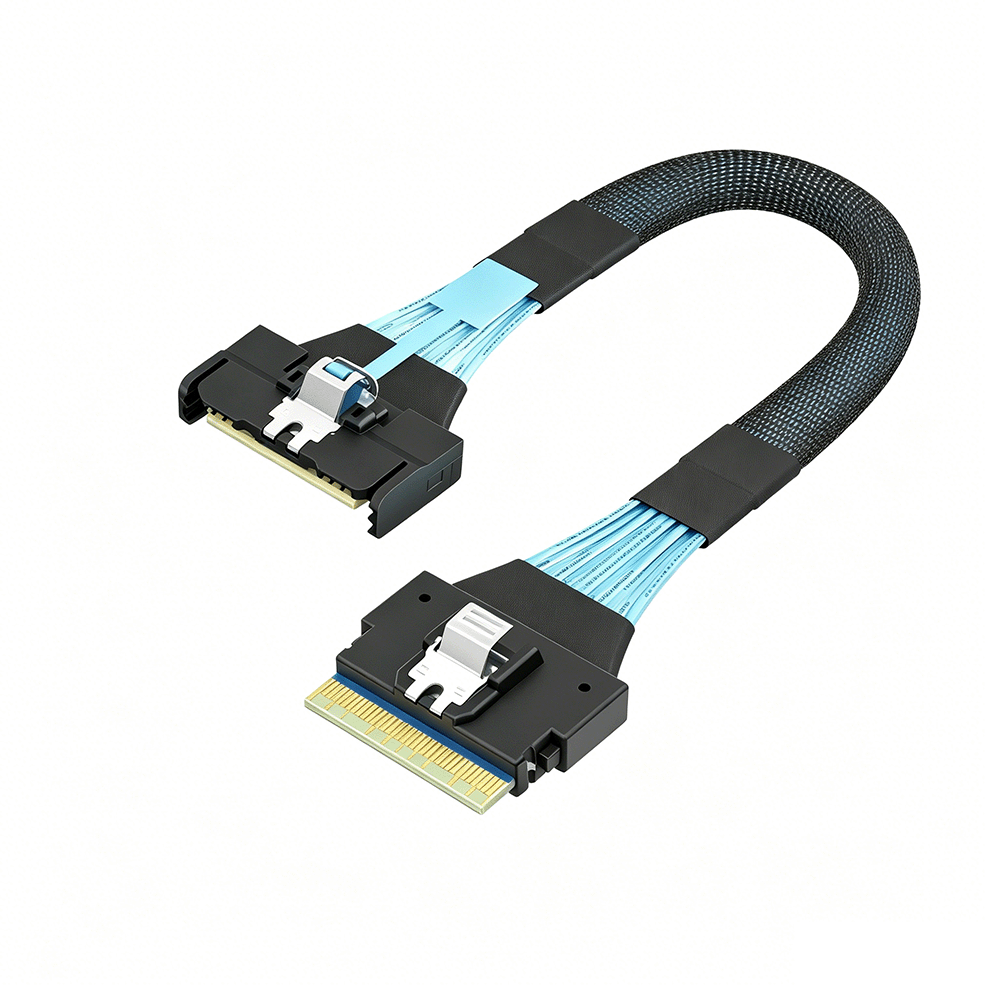
HD Mini SAS SFF-8643 to SFF-8643 Right Angle Cable
-
 Get A Quote
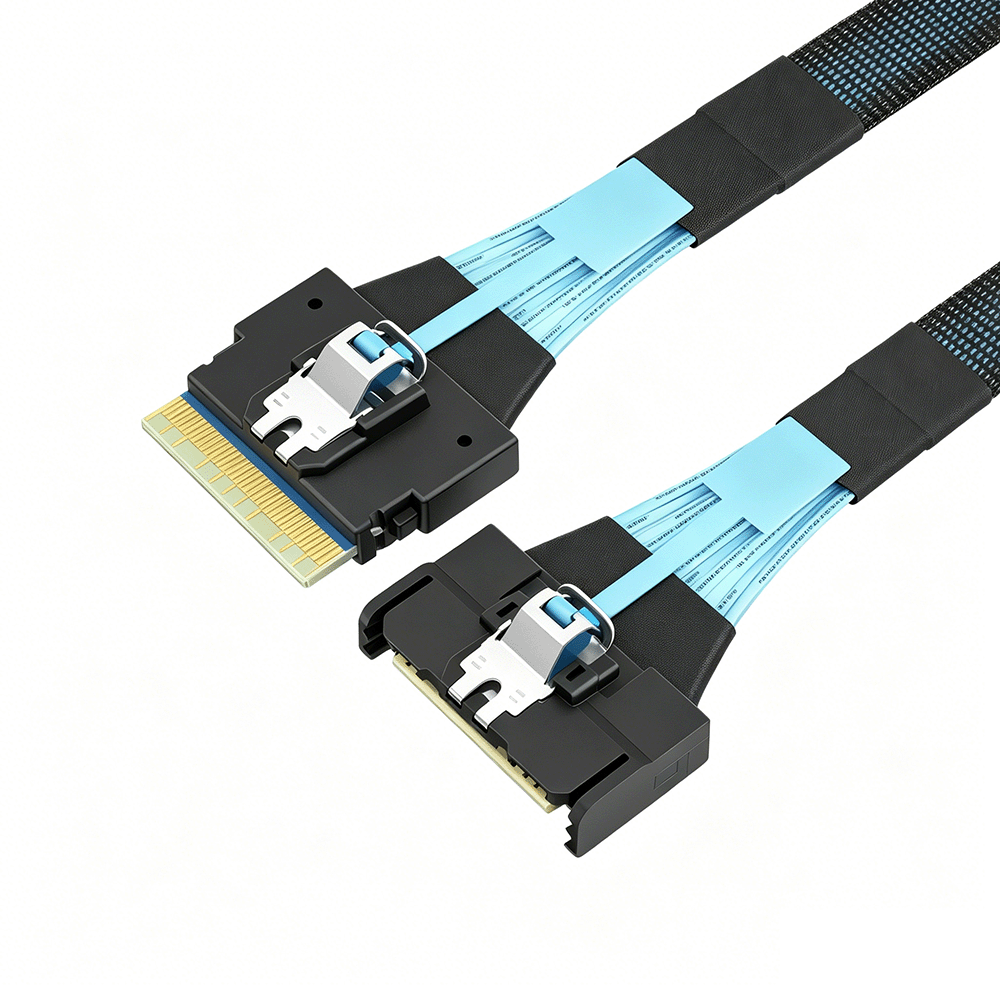
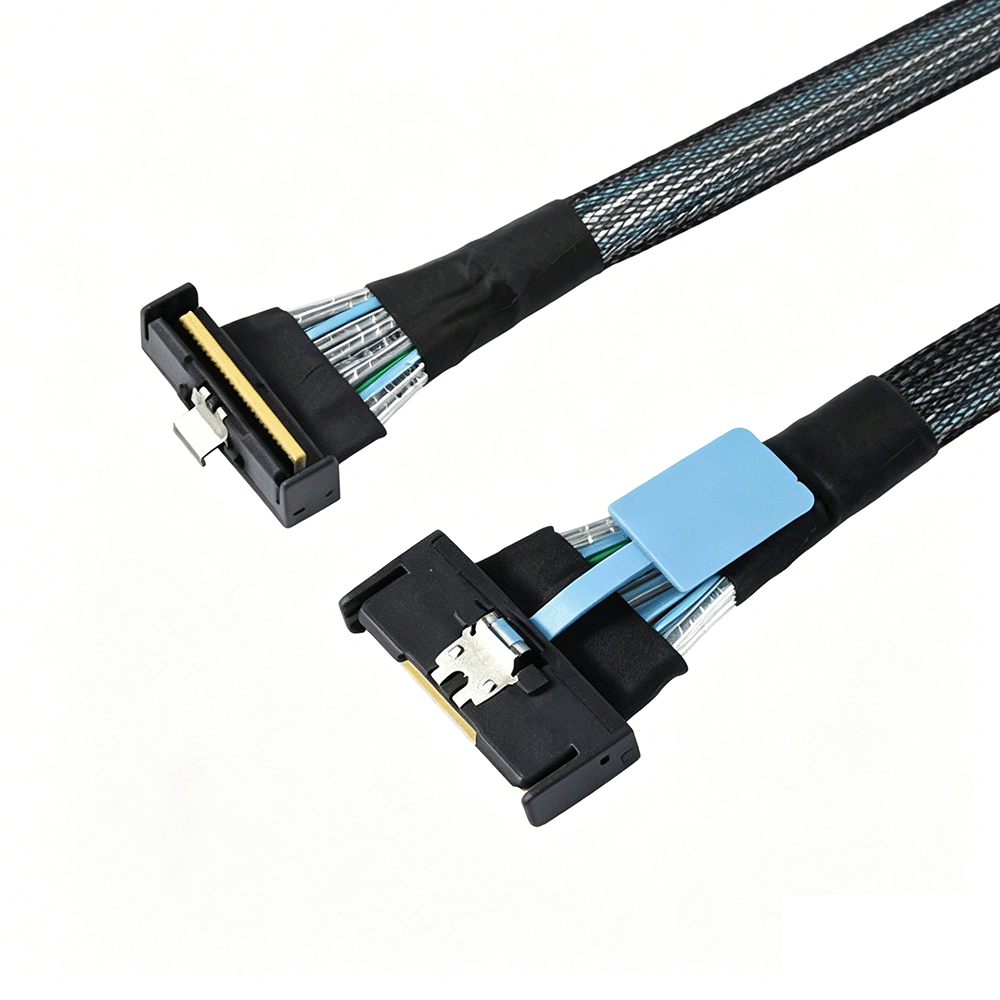
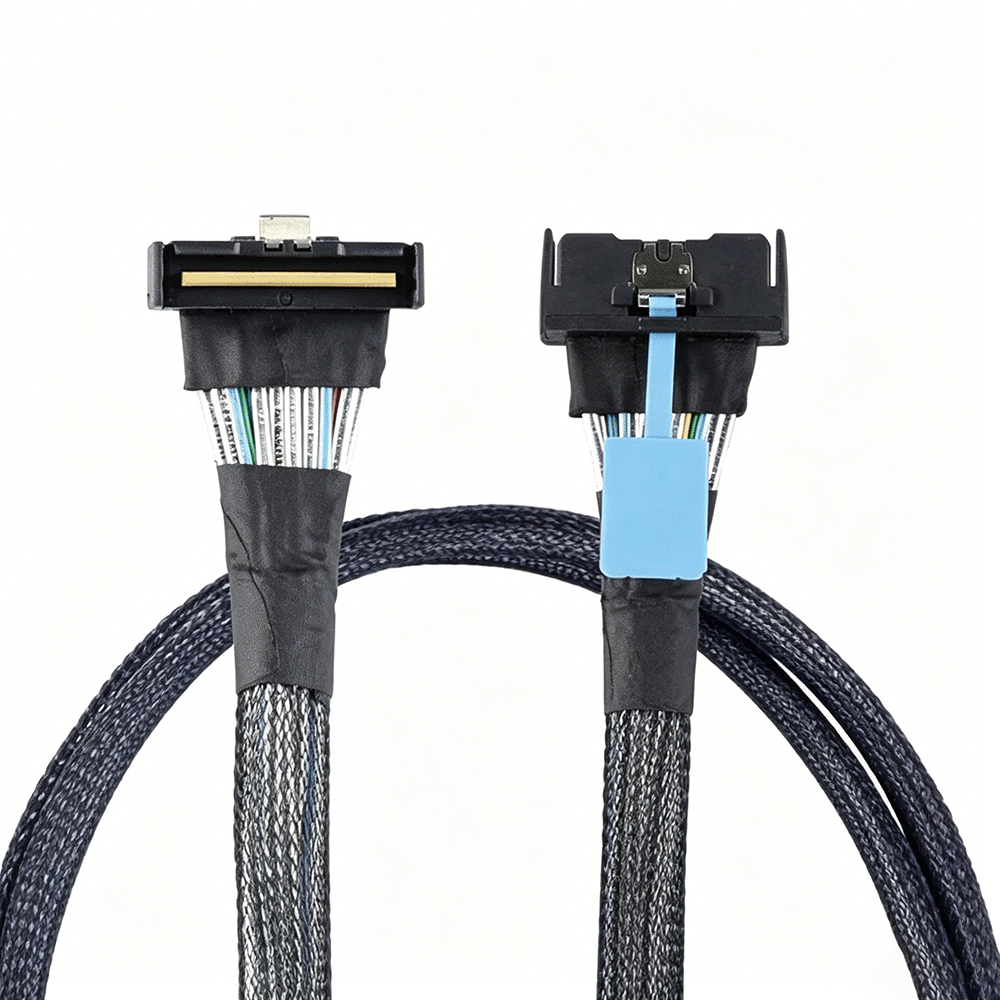
MCIO 8x to SlimSAS SFF-8654 8x Cable
-
 Get A Quote
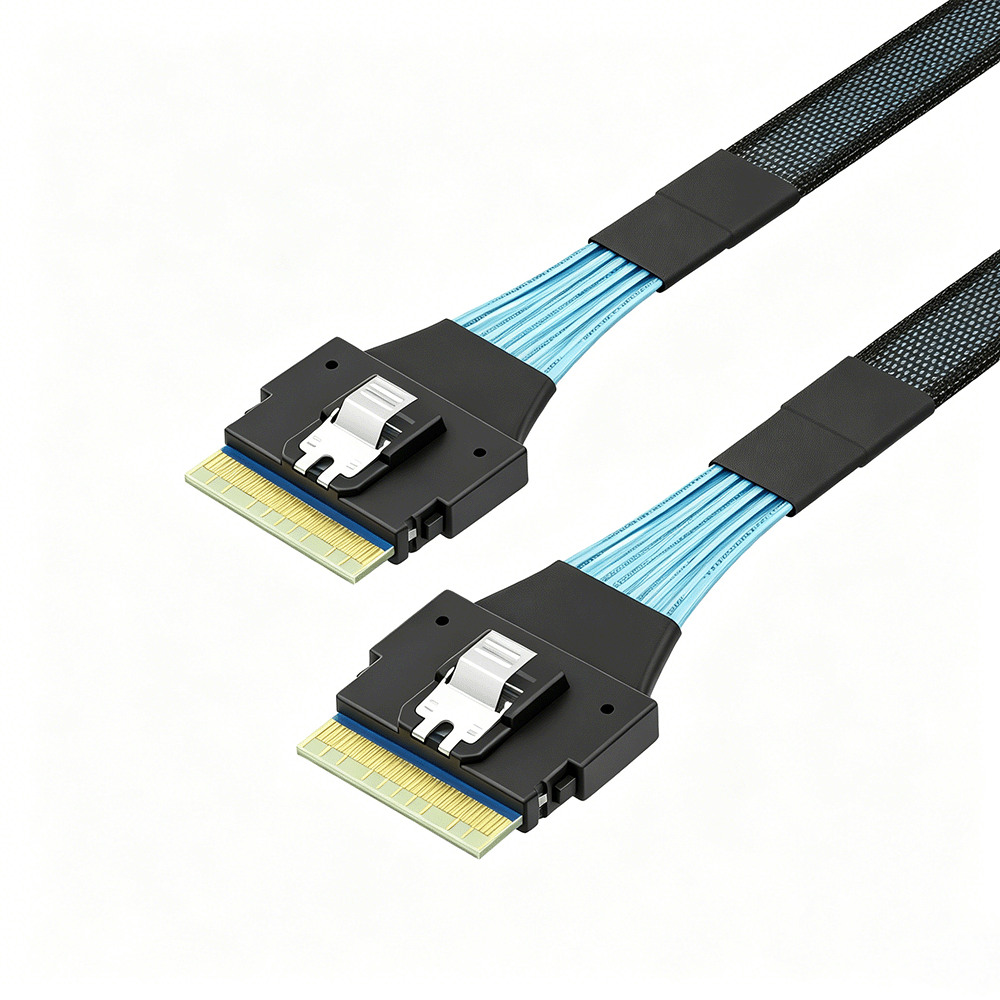
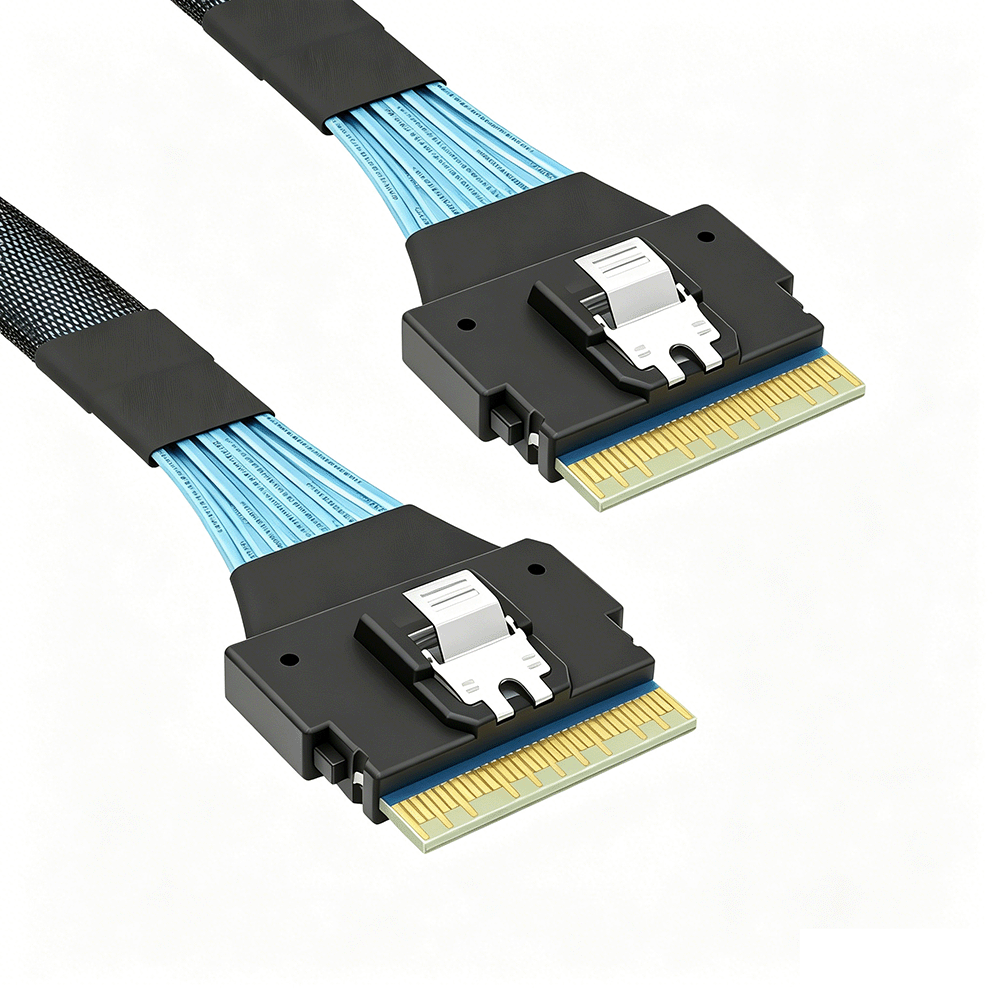
90-degree Angled PCIe Gen5 MCIO x8 Cable
-
 Get A Quote
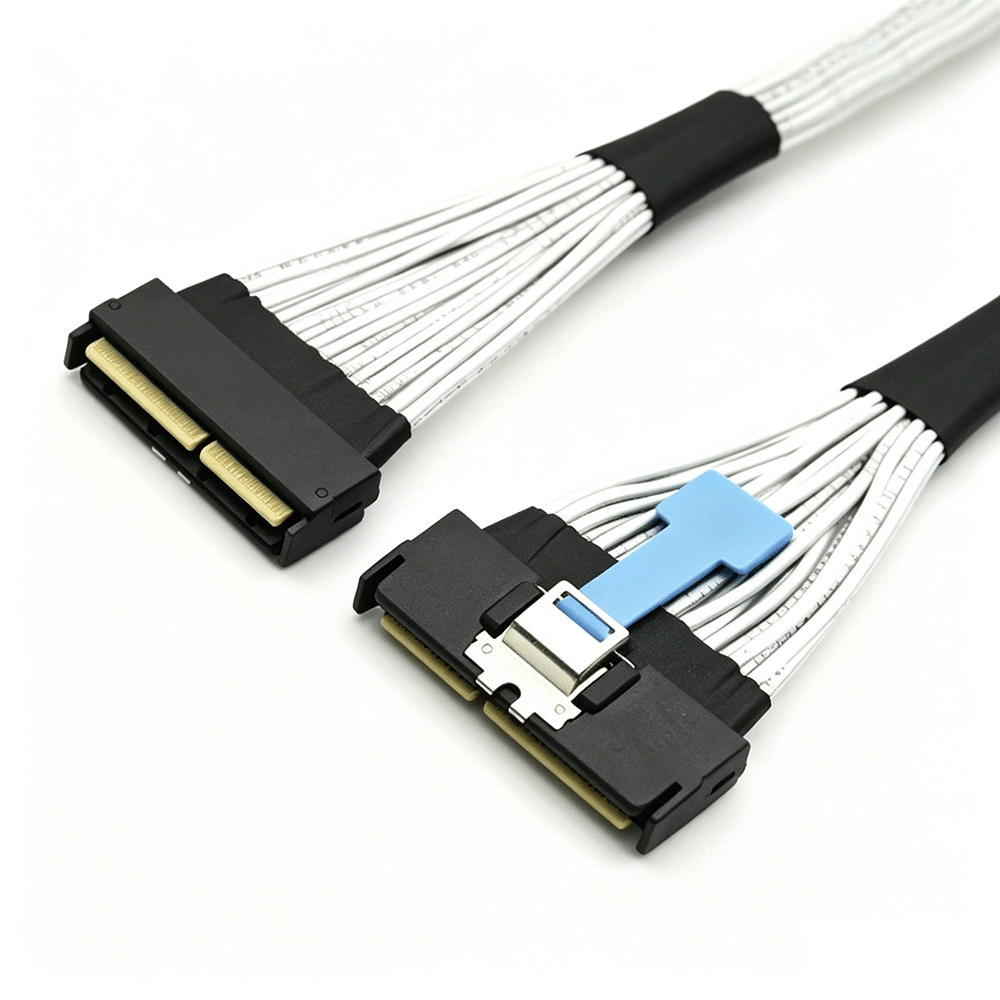
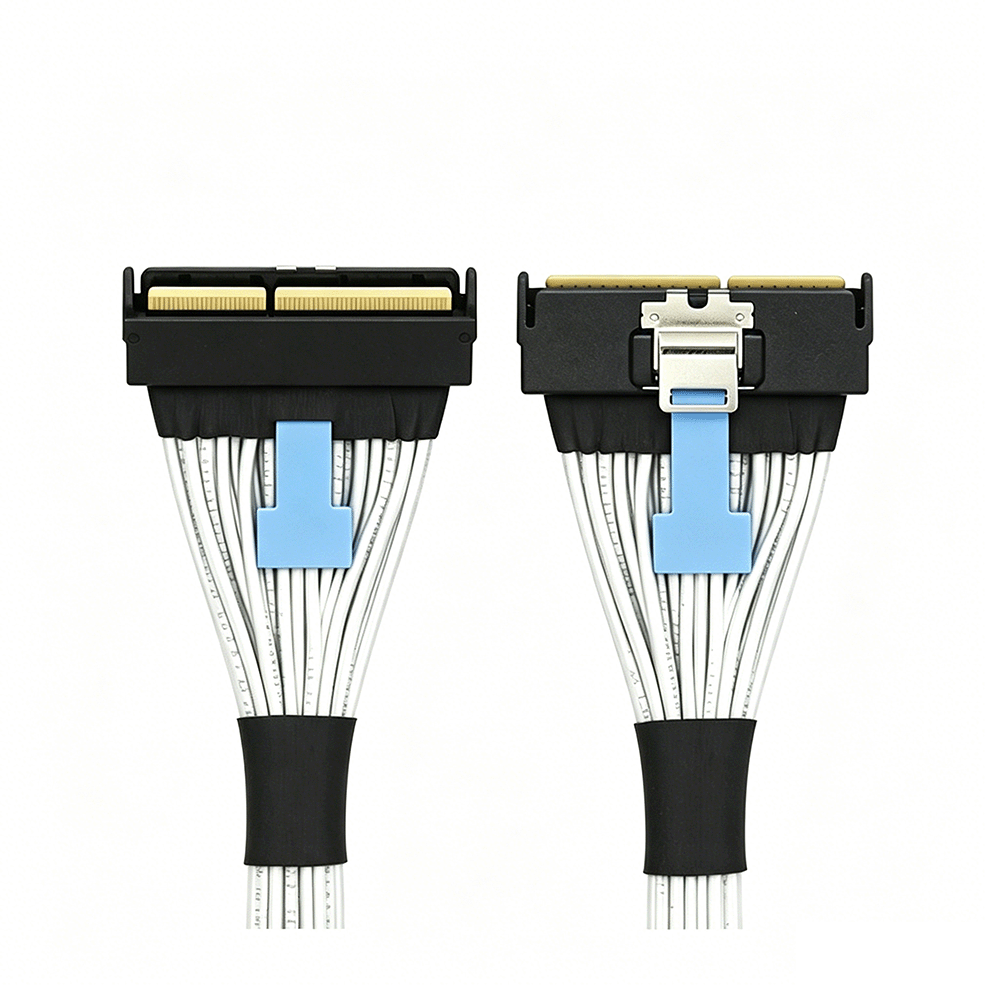
Slim SAS SFF-8654 8i to SFF-8654 8i 74P Cable
-
 Get A Quote
PCIe 5.0 MCIO 16x 124Pin Male to Male Cable
Engineered for manufacturers, system integrators, and OEM/ODM partners, these cables support full customization (length, color, molding, connector orientation, and packaging) and are backed by high‑volume automated production lines and an integrated supply chain, ensuring consistent quality, rapid lead times, and cost efficiency for bulk procurement.
With compliance to VESA, HDMI, USB‑IF, UL94V‑0, and RoHS standards, the product line addresses the critical reliability, interoperability, and scalable sourcing requirements of professional equipment builders and industrial buyers in B2B procurement environments.
Product Introduction
What Is High-Speed Cable
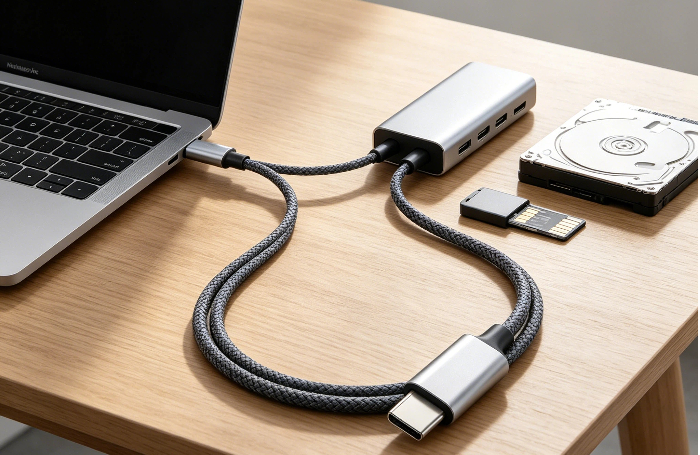
"High-Speed Cable" refers to cables that support high-bandwidth, low-latency data transmission. This includes HDMI, DisplayPort, and USB-C cables for connecting computers to displays, Ethernet cables for networking, and professional interconnect cables like DAC, AEC, and AOC used in data centers. Their common goal: transmit maximum data in minimum time with stable signal integrity.
Key Features
High-speed cables are engineered for high-bandwidth, low-latency signal transmission in industrial, networking, and professional AV systems. They are designed to meet strict performance standards for data integrity, signal stability, and long-distance transmission reliability.
1. Defined High Bandwidth Standards
Typical high-speed cable standards include:
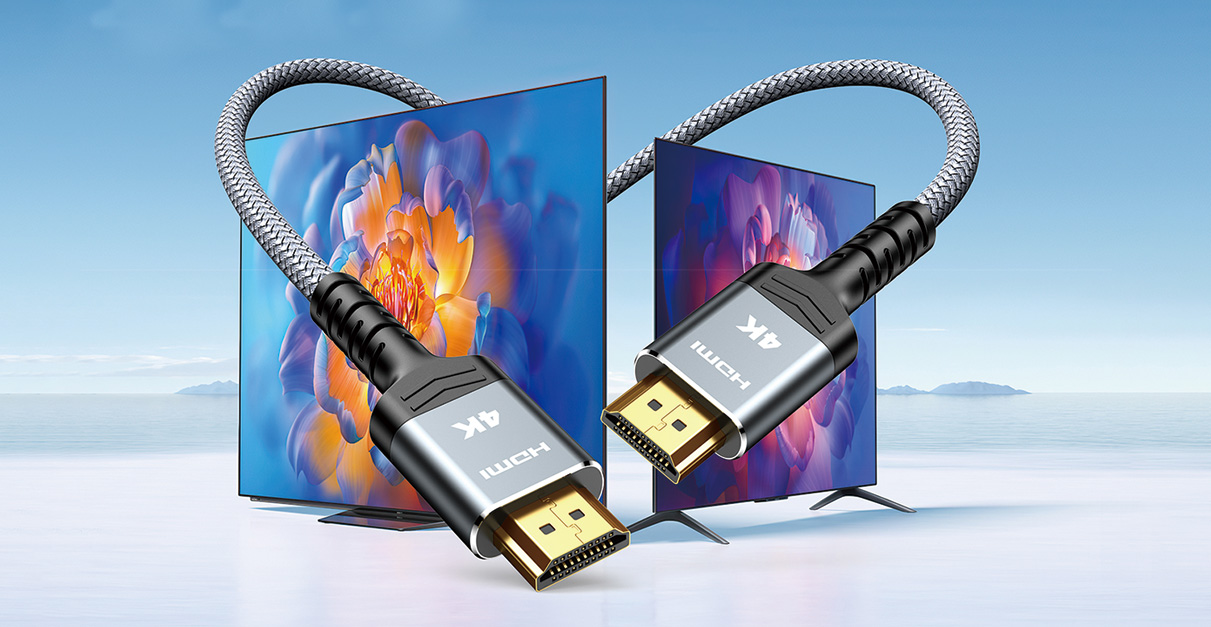
HDMI 2.1: up to 48Gbps
DisplayPort 1.4: up to 32.4Gbps
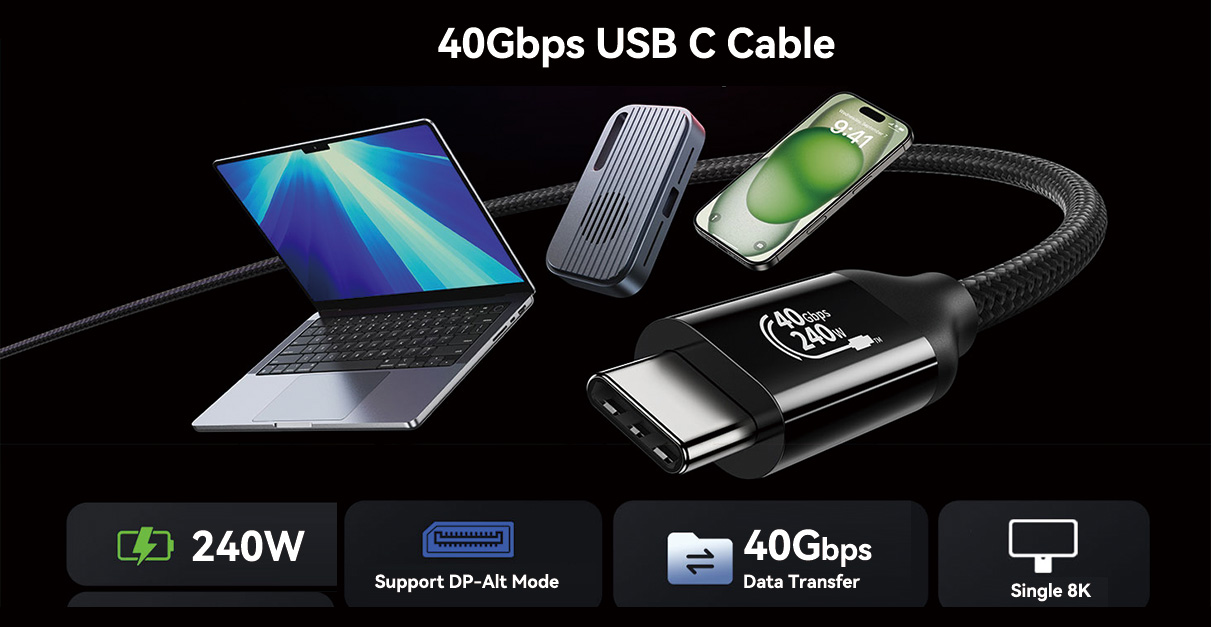
USB4 / Thunderbolt 4: up to 40Gbps
Ethernet (Cat6A/Cat7/Cat8): up to 10Gbps–40Gbps (short distance)
These standards ensure support for 4K/8K video, high-frequency data transfer, and real-time industrial communication.
2. Signal Integrity & Low Latency Design
High-speed cables use:
Oxygen-free copper (OFC) conductors
Multi-layer shielding (Al foil + braided shield)
Impedance-controlled structure (typically 100Ω for differential pairs)
This minimizes attenuation, jitter, and EMI/RFI interference in high-density environments.
3. Protocol-Level Compatibility
Supports major high-speed interfaces:
HDMI / DisplayPort (AV transmission)
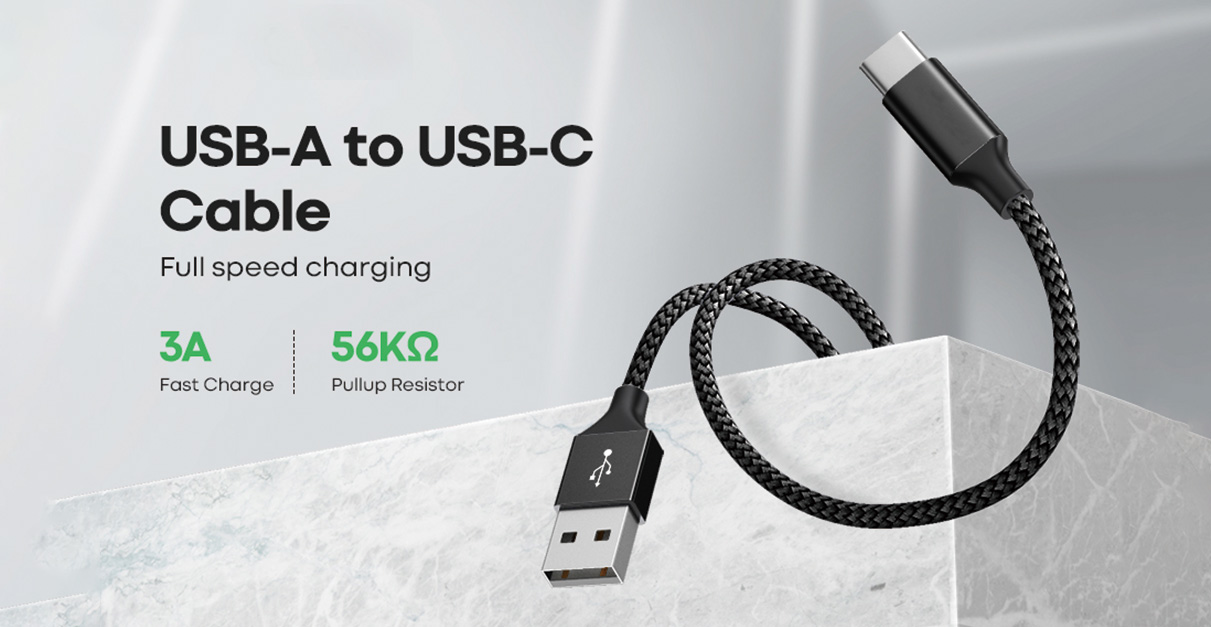
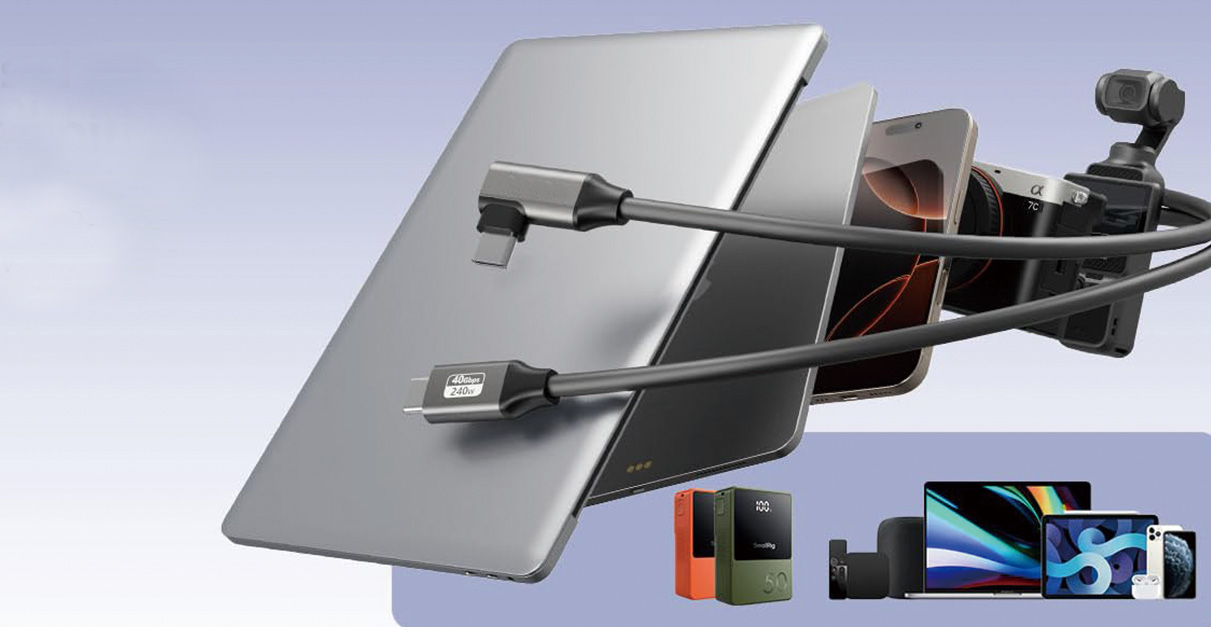
USB-C / USB4 (data + power + video)
Ethernet / DAC / AEC / AOC (data center interconnect)
Suitable for server racks, workstation setups, and industrial automation systems.
4. Transmission Distance Options
Depending on structure:
Passive copper cable: 0.5m – 5m (high-speed stable range)
Active cable (AEC): up to 10m–30m
Optical cable (AOC): 30m–100m+
5. Industrial-Grade Reliability
Designed for B2B environments with:
Operating temperature: -20°C to 85°C
High bending cycle durability (>10,000 flex cycles)
Stable performance under continuous 24/7 operation
6. OEM / ODM Capability for Procurement
For B2B buyers and distributors, key supply advantages include:
Custom length / connector configuration (HDMI, USB-C, RJ45, etc.)
Private label / OEM branding support
Certification options: CE / FCC / RoHS / UL compliance
Bulk supply capability with stable lead time and MOQ support
Key Takeaway (Procurement-Oriented)
High-speed cables are not just “fast cables” — they are engineered interconnect solutions defined by bandwidth class, shielding structure, transmission distance, and compliance level, making them suitable for data centers, industrial systems, and professional AV infrastructure.
How to Choose
| Your Setup | Recommended Cable |
|---|---|
| 4K TV / Casual viewing | HDMI 2.0 (18Gbps) |
| 8K TV / PS5 / Xbox gaming | HDMI 2.1 (48Gbps) |
| 16K display / Future-proof | HDMI 2.2 (96Gbps) |
| PC to 8K monitor | DisplayPort 1.4 or 2.0 |
| Laptop to external display | USB-C to HDMI/DP |
| Conference room / Projector | Long HDMI 2.1 (5M–7M) |
| Home / Office networking | Cat6 or Cat6a Ethernet |



-
What makes a cable “high-speed”

It depends on its ability to transmit data at high frequencies (such as 18Gbps, 48Gbps or higher), along with strong shielding and low signal attenuation.
-
What devices use high-speed cables?
They are widely used in TVs, monitors, gaming consoles, computers, projectors, servers, and industrial communication systems.
-
Can high-speed cables support 4K and 8K video?
Yes. High-speed cables are designed to support high resolutions such as 4K, 8K, and even higher, along with high refresh rates.
-
What is the difference between high-speed and standard cables?
High-speed cables offer higher bandwidth, better shielding, and more stable signal transmission compared to standard cables, especially over longer distances.
-
Do high-speed cables reduce signal loss?
Yes. They are built with optimized conductors and multi-layer shielding to reduce EMI/RFI interference and maintain signal integrity.
-
Are all HDMI or USB cables high-speed?
No. Only certified versions (such as HDMI 2.0/2.1 or USB 3.0 and above) are considered high-speed cables.