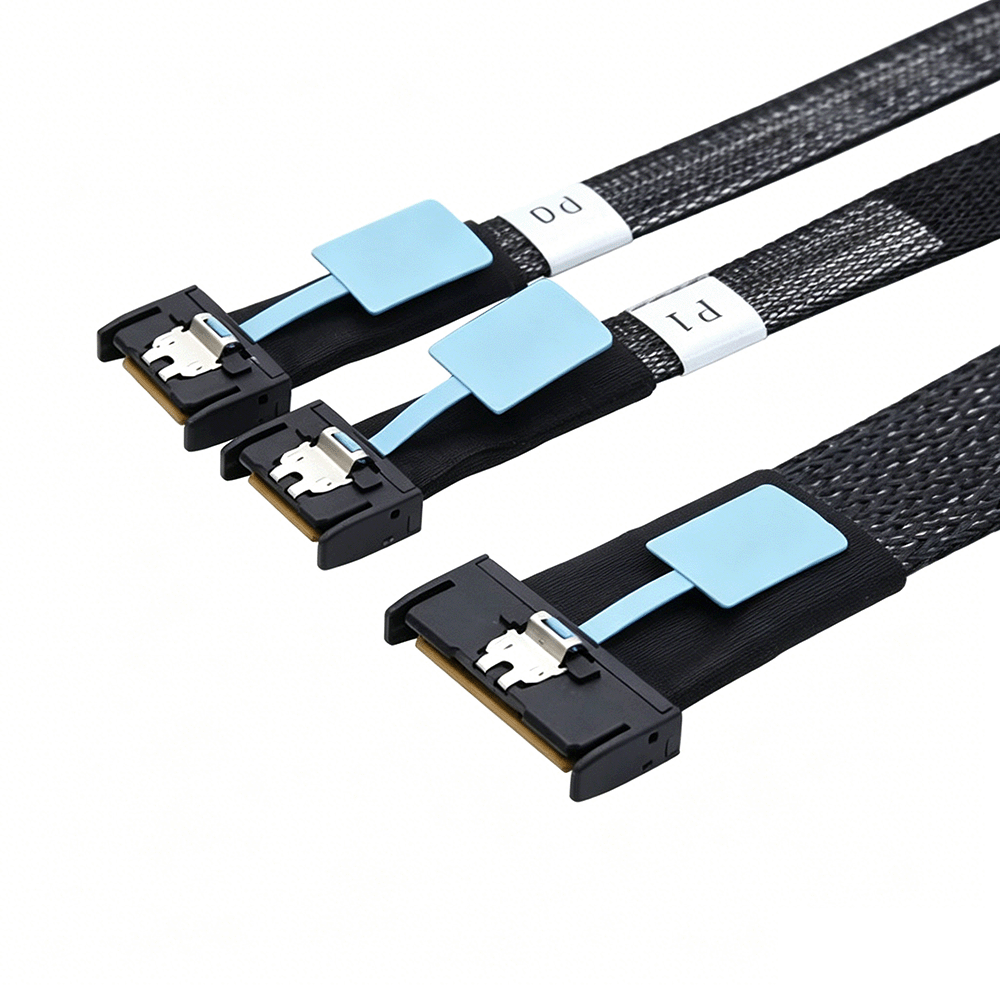
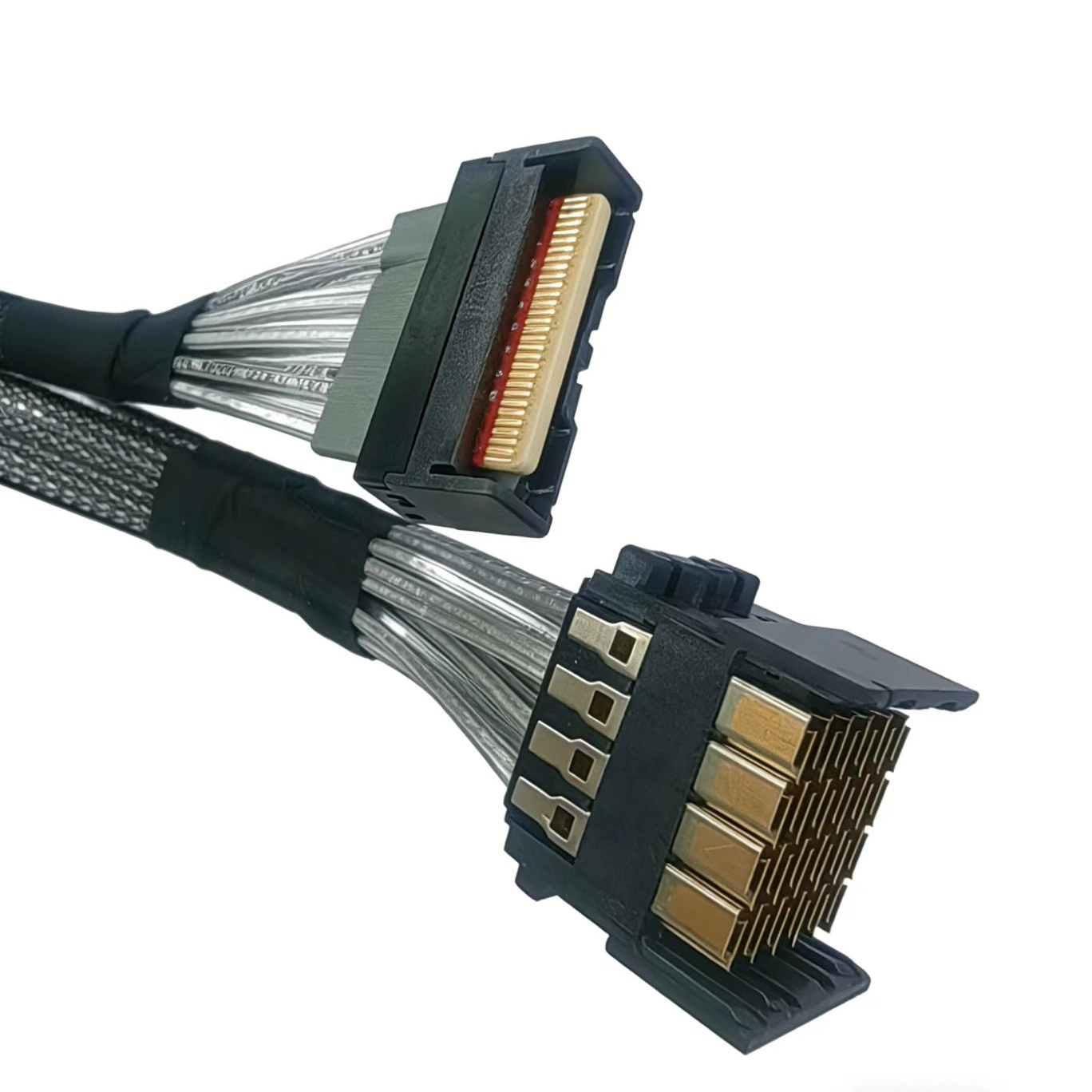
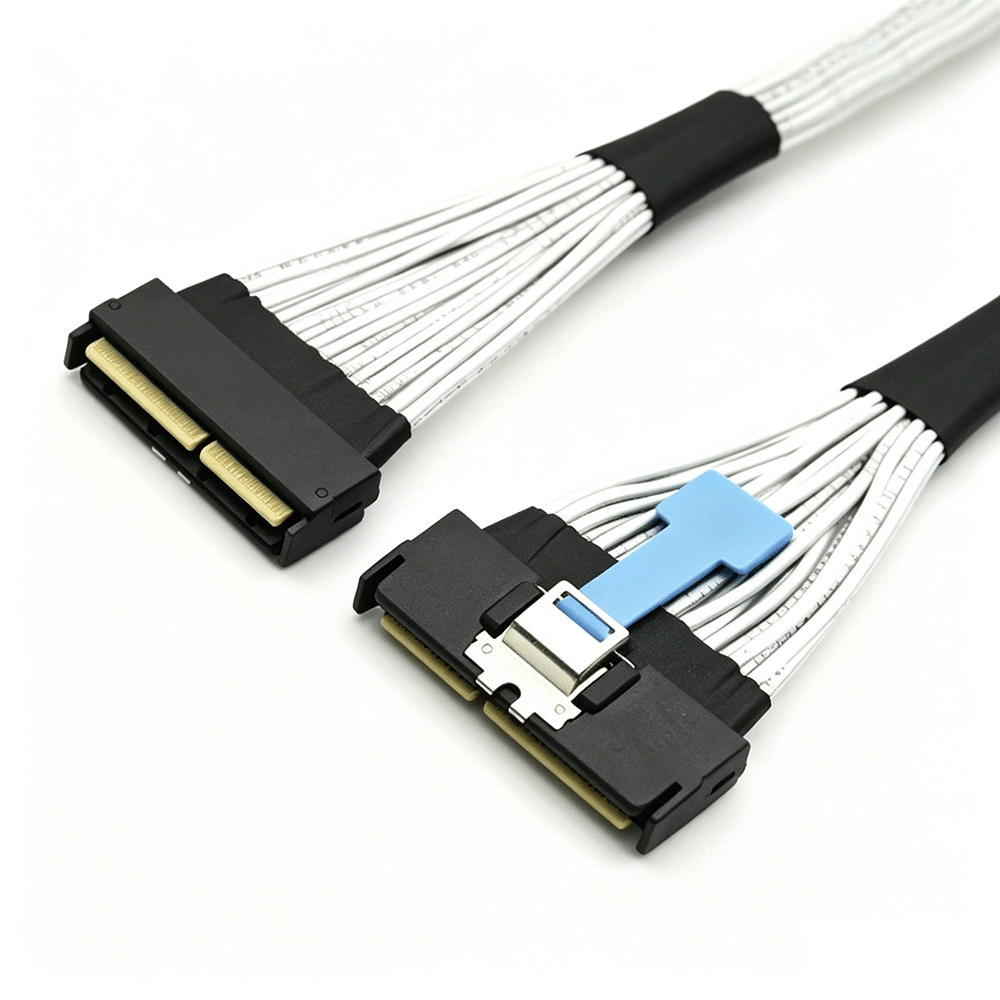
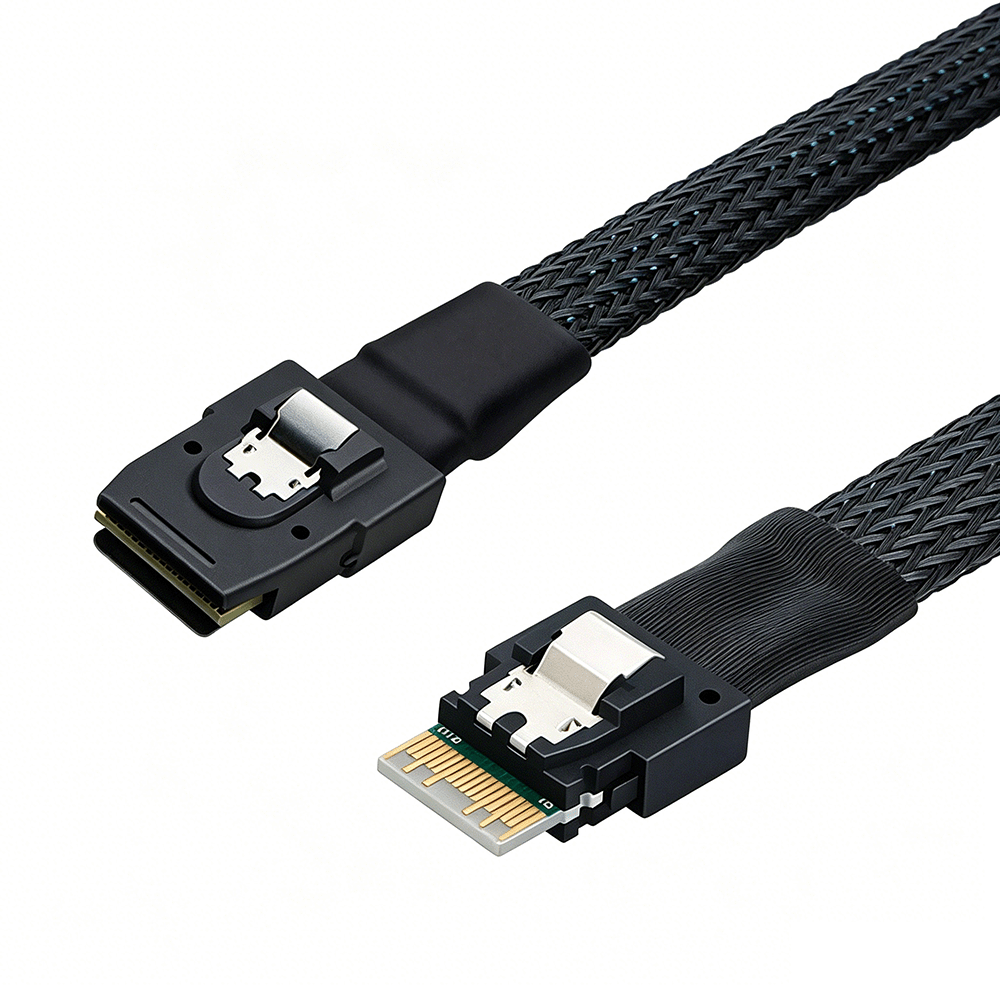
JMTJM manufactures both standard and high speed cable assemblies certified for HDMI 2.1 and USB 4 applications. The difference between standard cables and high speed cables goes beyond data rate ratings and affects signal integrity, construction quality, and application suitability across all electronic systems.
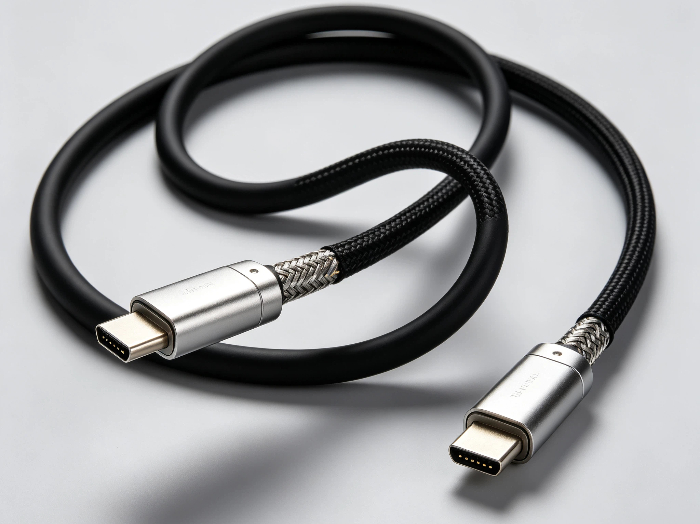
Construction Differences Between Standard and High Speed Cables
Standard cables and high speed cables use fundamentally different conductor materials, shielding configurations, and quality control processes. These differences directly determine their performance in digital systems.
Conductor Material and Gauge
Standard cables typically use copper clad steel or aluminum conductors with looser gauge tolerances. High speed cables use oxygen-free copper conductors with precisely controlled gauge and consistent stranding.
Conductor quality directly affects signal attenuation. A standard USB cable may lose 30 percent of signal amplitude over 2 meters. A high speed USB 4 cable maintains signal integrity over 0.8 meters with less than 10 percent loss. This difference in conductor quality is one of the primary reasons high speed cables achieve their rated bandwidth.
Shielding Configuration
Standard cables often use minimal foil shielding covering 60 percent of the conductor area. High speed cables combine foil wrapping with braided copper shielding achieving 80 to 90 percent coverage.
Double shielded high speed cables add an additional drain wire and overall braid layer. Shielding effectiveness measured in decibels is typically 30 dB for standard cables and 60 to 90 dB for high speed cables. Higher shielding effectiveness directly reduces error rates in high EMI environments.
Impedance Tolerance
Standard cables are manufactured with impedance tolerances of plus or minus 15 percent. High speed cables are produced with plus or minus 5 percent impedance tolerance. This tighter control minimizes signal reflections at connector junctions and along the cable length. Reflected signals cause data errors that require retransmission and reduce effective throughput.
Performance Comparison Table
The table below compares key performance parameters between standard and high speed cables across common interfaces.
Parameter | Standard Cable | High Speed Cable | Impact |
|---|
Max Data Rate | 480 Mbps to 5 Gbps | 18 to 80 Gbps | Determines video resolution and data throughput |
Shielding Coverage | 60% foil | 80-90% foil + braid | EMI protection level |
Impedance Tolerance | ±15% | ±5% | Signal reflection and error rate |
Insertion Loss at 5 GHz | 15 to 25 dB | 5 to 10 dB | Usable cable length before signal degradation |
Conductor Material | CCA or steel | Oxygen-free copper | Signal attenuation per meter |
Certification Testing | None or basic | Compliance certified | Guaranteed performance at rated speed |
Application Scenarios Where Each Cable Type Excels
Standard cables remain adequate for low frequency applications where data rate requirements are below 1 Gbps and cable runs are short. USB 2.0 peripherals such as keyboards, mice, and basic printers work reliably with standard cables. Analog audio and SD video signals do not benefit from high speed cable construction.
Using standard cables in these applications reduces cost without compromising function. For office environments where maximum data rate needs are below 1 Gbps, standard cables provide adequate performance at lower procurement cost.
High speed cables are essential for any application involving digital video, high resolution imaging, or large data file transfer. HDMI connections for 4K and 8K displays require high speed cables certified for the specific HDMI version. USB 4 and Thunderbolt connections require high speed cables with e-marker chips that communicate cable capability to the host device.
Industrial applications with long cable runs benefit from high speed cable construction even at moderate data rates. The superior shielding and tighter impedance tolerance maintain signal integrity over 10 to 30 meter runs where standard cables would fail due to attenuation.
Failure Modes When Using Standard Cables for High Speed Applications
Using standard cables in high speed applications causes predictable failure modes that are often misdiagnosed as device problems.
Intermittent signal dropout occurs when standard cables cannot maintain signal lock at high data rates.
A standard HDMI cable connected to a 4K display may work at 1080p but fail at 2160p. Users often replace the source device or display before identifying the cable as the root cause.
Increased bit error rate reduces effective data throughput.
Standard cables with loose impedance tolerance cause signal reflections that corrupt data packets. The USB or Ethernet protocol requests retransmission of corrupted packets, which reduces the effective data rate by 20 to 50 percent compared to the rated speed.
Electromagnetic interference from nearby equipment causes random data corruption.
Standard cables with minimal shielding allow external EMI to couple into the signal conductors. This is particularly problematic in industrial environments where motors, welders, and RF transmitters are present.
How to Identify a High Speed Cable
Identifying
high speed cables requires checking certification markings rather than relying on packaging claims. HDMI high speed cables carry a certification label with a QR code that links to the HDMI test results. USB 4 cables display the USB 4 certified logo and include an e-marker chip readable by the host device.
Cable gauge and shielding construction can be verified by examining the cable cross section. High speed cables have thicker dielectric insulation around each conductor and visible braided shielding under the outer jacket. The connector housing on high speed cables typically includes ferrite beads or additional shielding that is absent on standard cables.
Frequently Asked Questions
Can a standard cable work for 4K video if the cable is short enough?
A very short standard cable may pass 4K video at lower refresh rates such as 30 Hz. However, certification testing of standard cables at 18 Gbps typically shows marginal pass or outright fail results. Using a certified high speed cable eliminates uncertainty and ensures reliable 4K 60 Hz or 8K performance.
Is there a visible difference in picture quality between standard and high speed HDMI cables at the same resolution?
At the same resolution and refresh rate, a properly functioning standard cable and a high speed cable produce identical picture quality. The difference appears in reliability. The standard cable may work for hours then drop signal. The high speed cable maintains consistent performance over time and temperature changes.
Do high speed cables require special connectors or can they use the same connectors as standard cables?
High speed cables use the same physical connector form factors as standard cables. HDMI Type A, USB Type C, and RJ45 connectors are identical in shape for both cable types. The difference is in the internal termination quality and shielding continuity at the connector junction.
Why do high speed cables cost more than standard cables?
The cost difference comes from oxygen-free copper conductors, multi-layer shielding, tighter impedance control during manufacturing, and compliance certification testing. These factors add 30 to 50 percent to material and production cost compared to standard cable construction. The higher upfront cost is offset by lower failure rates and reduced troubleshooting time in the field.
Conclusion
High speed cables differ from standard cables in conductor material, shielding effectiveness, and impedance tolerance. Standard cables are adequate for low frequency applications below 1 Gbps.
High speed cables are required for digital video, high resolution imaging, and industrial automation applications where signal integrity directly affects system reliability. Selecting certified high speed cables for demanding applications prevents intermittent failures and reduces total system cost.
JMTJM provides certified high speed cable assemblies with HDMI 2.1 and USB 4 IF certification for 3C, automotive, medical, and industrial applications.